Ingredient Guide
Niacinamide in Korean skincare
A water-soluble form of vitamin B3 with the strongest evidence-to-marketing ratio in skincare — it does almost everything well and almost nothing dramatically.
Also known as: Vitamin B3 · Nicotinamide · Niacinamide PC (myristoyl)
30-second summary
- What it is
- A water-soluble form of vitamin B3 (vitamin PP). Used in dermatology for over 50 years; one of the most studied cosmetic actives in existence.
- What it does
- Regulates sebum output, visibly minimises pore appearance, interrupts melanin transfer from melanocyte to keratinocyte (which fades dark spots), supports the ceramide barrier, and is mildly anti-inflammatory.
- Who it's for
- Almost everyone. Particularly high-leverage for oily-combination skin, visible pores, post-acne dark marks, and uneven tone. One of the safest entry actives for sensitive users.
- Avoid if
- You react to nicotinic acid (extremely rare flushing). Some people experience purging during the first 2 weeks at higher concentrations — usually settles.
- Best concentration
- 2–5% gives most of the benefit with minimal irritation risk. 10% (the K-beauty standard) modestly increases sebum control and pore appearance results but raises irritation risk in sensitive skin. Above 10%, returns flatten and irritation climbs sharply.
The science
What we actually know — and what we don't.
How it works on your skin
The concentration question — is 10% really better?
The niacinamide + vitamin C myth, finally settled
In Korean skincare specifically
Why this ingredient is a K-beauty signature, and how the major brands differ.
Why niacinamide became central to K-beauty
Korean niacinamide product archetypes worth knowing
Who it's good for
Niacinamide is the closest thing skincare has to a universal recommendation. It addresses several common concerns at once with a strong safety profile and decades of clinical evidence. The downsides are real but minor: slower visible effect than retinoids or vitamin C, occasional purging at 10%+ concentrations, and the genuine difficulty of evaluating which of its several effects is working in any given user.
Skin types
Concerns it addresses
Age range: High value at every age from teens (sebum control) through 30s+ (tone evenness, mild anti-ageing) into 50s+ (barrier support, NAD+ adjunct).
Who should avoid
Niacinamide is one of the best-tolerated cosmetic ingredients in existence. Adverse reactions are rare and usually mild (transient stinging, occasional purging at the start of use). Pregnancy and breastfeeding use is considered safe at cosmetic concentrations — niacinamide is even given orally in pregnancy for several medical indications.
- ·Known reaction to nicotinic acid (causes flushing — extremely rare with cosmetic niacinamide)
- ·Active rosacea flare — start at 2–4% rather than 10% to avoid triggering
- ·First-trimester pregnancy with no prior tolerance history — patch test before introducing
Layering guide
Niacinamide is essentially anywhere-in-the-routine flexible — it tolerates being applied before or after most other actives. The most common patterns: Morning: cleanse → toner → vitamin C (if used) → niacinamide → moisturiser → SPF Evening: cleanse → toner → retinol (if used) → niacinamide → moisturiser If your niacinamide product is an essence or toner, slot it earlier (after cleansing toner, before actives). If it is a serum or ampoule, slot it after thinner products. If it is in your moisturiser, you do not need to think about layering — just apply the moisturiser as normal.
Vitamin C
Layer freelyThe cancel-out myth is debunked. Apply either order; if you use both at very high concentration, wait 10 minutes between to minimise any flushing.
Retinol / retinoids
Layer freelyExcellent pairing. Niacinamide mitigates retinoid irritation and supports the barrier the retinoid is challenging. Apply retinol first to dry skin, wait 5 min, then niacinamide.
AHA / BHA
Wait 10–20 minApply acid first, wait 15–20 minutes, then niacinamide. They are compatible but the acid needs time at its working pH.
Hyaluronic acid
Layer freelyLayer either order. HA on damp skin first, then niacinamide on top, is the most common pattern.
Snail mucin
Layer freelyStrong pairing. Niacinamide first (it is more sensitive to layering order), snail to seal in.
Centella
Layer freelySynergistic — centella calms, niacinamide refines tone and pore appearance. Apply centella first.
Peptides
Layer freelyLayer freely. Peptides are pH-flexible and niacinamide is neutral.
Benzoyl peroxide
Wait 10–20 minBP can oxidise niacinamide. Apply BP first, wait 10 minutes, then niacinamide — or use them in opposite AM/PM routines.
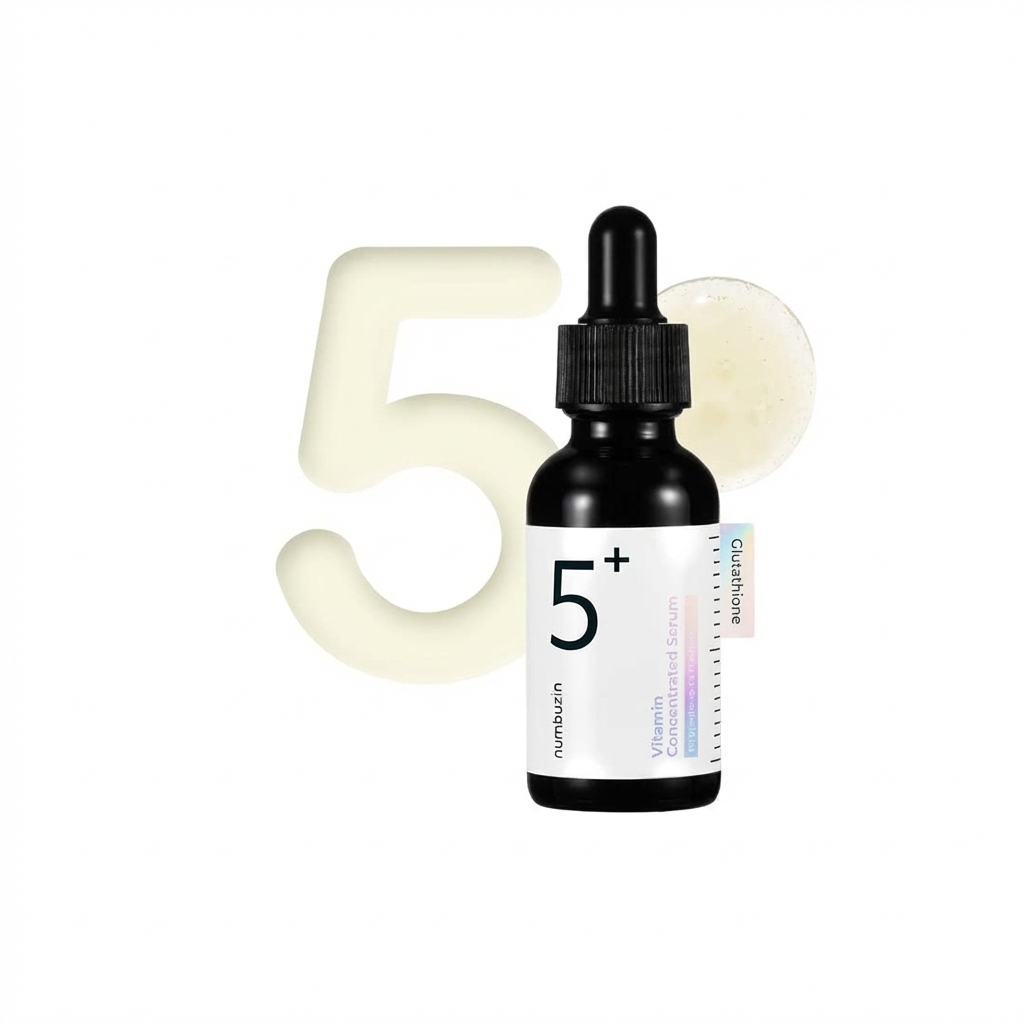
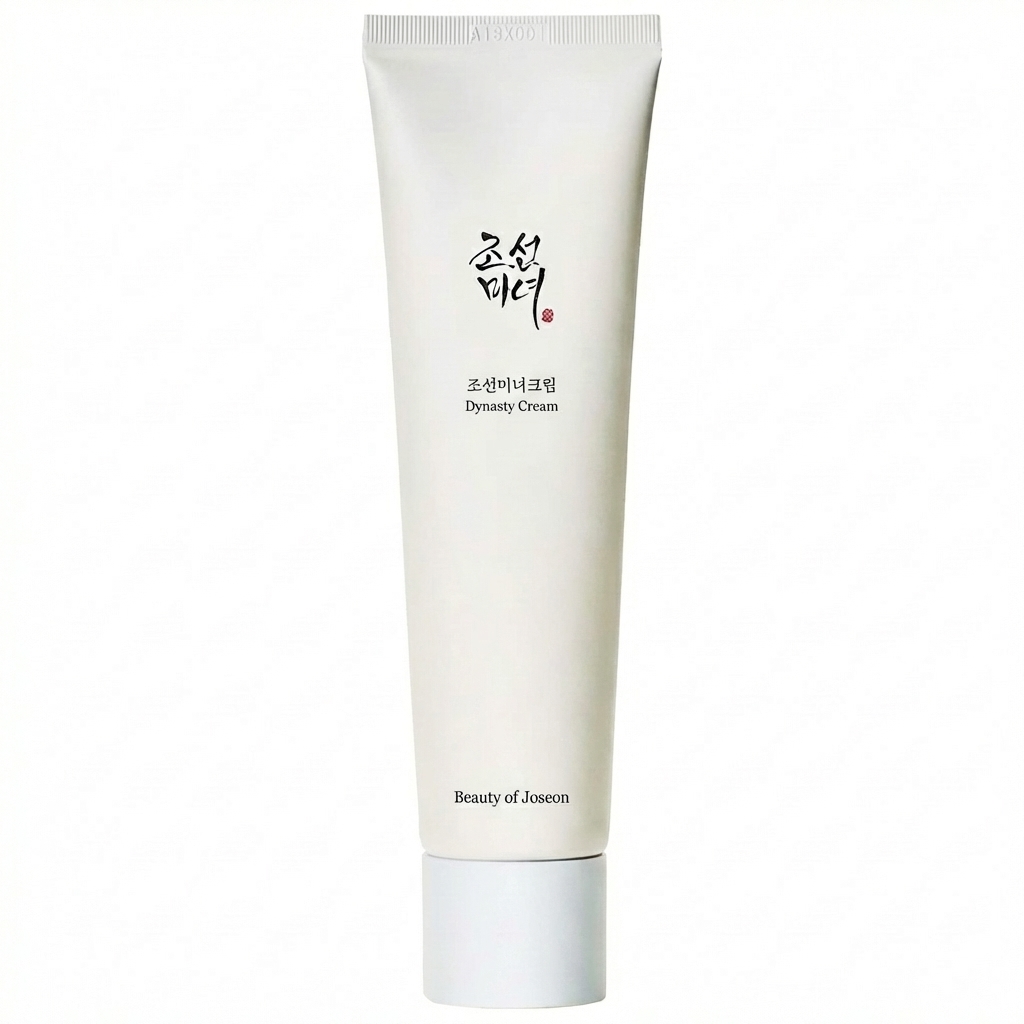
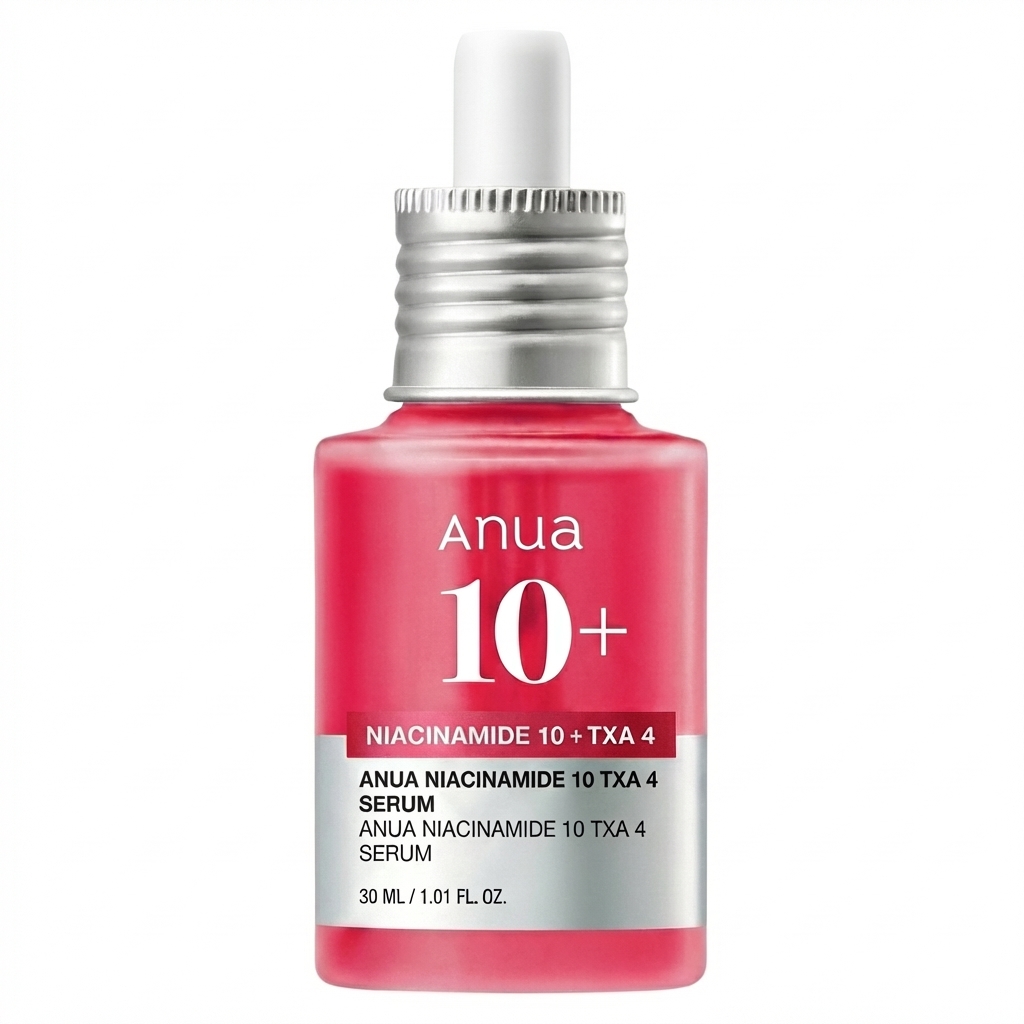
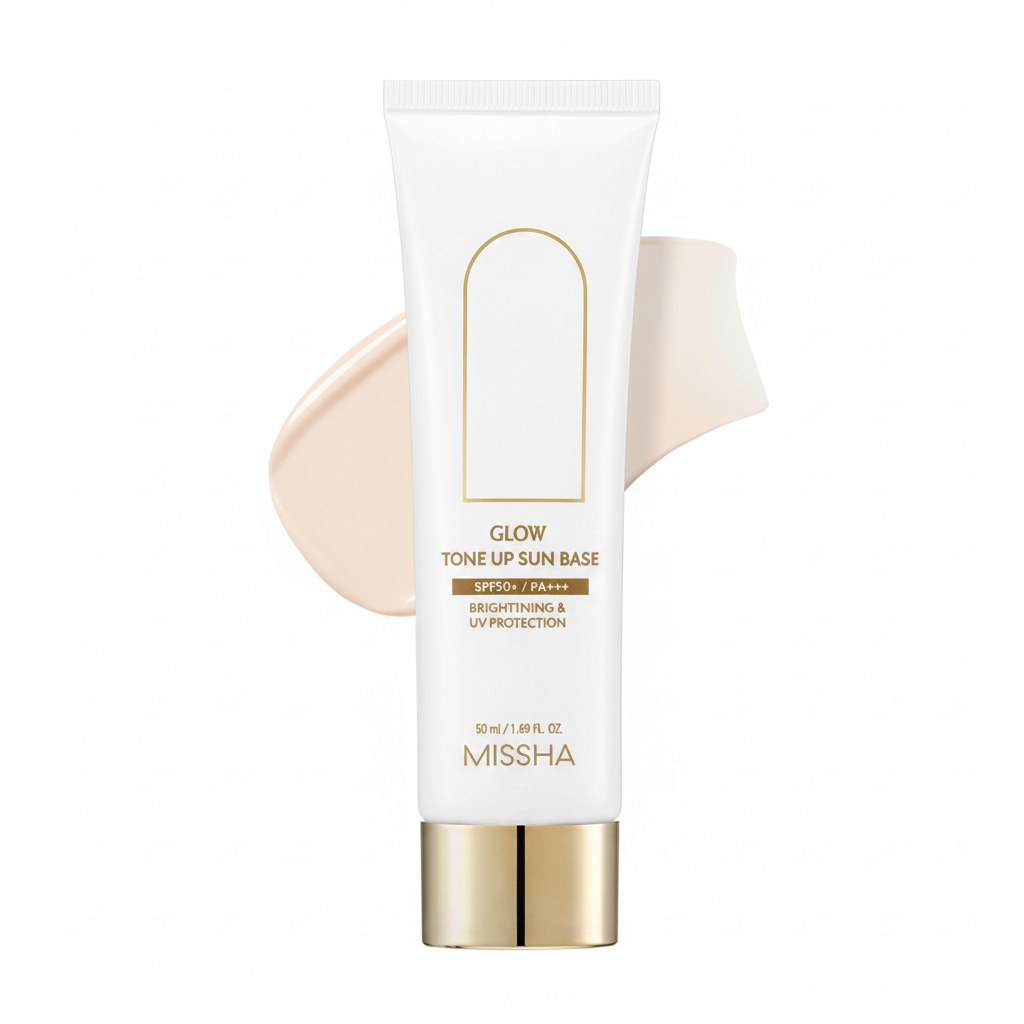
K-beauty products with niacinamide
4 products available in the UK, sorted by rating.
Not sure if niacinamide is right for your skin?
Take our 2-minute Skin Match quiz. We'll factor in your skin type, concerns, current routine, and what you're already using — and recommend whether this ingredient earns a place in your shelf.
Start the quiz →Frequently asked
Can I use niacinamide with vitamin C?
Yes. The "they cancel each other out" claim is a debunked myth based on outdated 1960s lab conditions that do not apply to cosmetic skincare. Modern formulations including many K-beauty products combine them deliberately. Use them in either order; if you have reactive skin and both products are at high concentration, wait 10 minutes between layers.
Is 10% niacinamide better than 5%?
Modestly, for specific use cases. 10% gives slightly stronger sebum control and pore-appearance results than 5%, but irritation risk also rises. 5% gives most of the benefit with minimal risk; 10% is worth it if you specifically want oil control or visible pore minimisation and tolerate it well. Above 10%, returns flatten and irritation climbs sharply — there is no clinical reason to go higher.
How long does niacinamide take to work?
Barrier support and reduced redness in 2–4 weeks. Sebum and pore appearance changes in 4–8 weeks. Pigmentation fading in 8–12 weeks. If you see no change after 12 weeks of consistent use, the concentration is probably too low or another active is needed alongside (retinol for serious anti-ageing, vitamin C for faster pigmentation).
Why am I breaking out after starting niacinamide?
Three possible causes. (1) "Purging" — niacinamide can accelerate cellular turnover slightly in the first 2 weeks, surfacing existing micro-comedones. This settles. (2) Other irritating ingredients in the formula (fragrance, alcohol, silicones if you are reactive to them). (3) A true allergy, which is rare — patch test to rule out. If breakouts persist past 4 weeks, the product is probably not working for you.
Is niacinamide safe during pregnancy?
Yes. Niacinamide is one of the more pregnancy-safe cosmetic actives — it is even given orally in pregnancy for certain medical indications. Topical use at cosmetic concentrations has no documented pregnancy concerns. Avoid the rare combo products that pair niacinamide with retinol or salicylic acid above 2%.
Does niacinamide actually shrink pores?
No. Pore size is largely genetic and does not change with topical skincare. What niacinamide does is reduce sebum production, so pores appear less stretched and less visible. The effect is real and measurable in clinical trials but the pores themselves are the same size — they just look better.
Niacinamide vs retinol — which should I pick?
Niacinamide first, retinol later. Niacinamide is the easier, lower-risk starting point and addresses pores, tone, and barrier. Retinol is the heaviest-evidence anti-ageing active but requires careful introduction. Many routines use both: niacinamide as a daily foundational active, retinol 2–4 times per week for collagen and turnover. They layer well together.
Sources
Last reviewed 2026-05-17. We update this page when new peer-reviewed research changes our recommendations.
- [1]Can You Use Niacinamide and Vitamin C Together? (Paula's Choice expert review)editorial
- [2]Debunking Skincare Myths: The Truth about Combining Niacinamide and Vitamin C (Clinikally)editorial
- [3]Niacinamide vs Vitamin C — Differences, Benefits, How to Layer (knok Global)editorial
- [4]Can You Safely Use Vitamin C and Niacinamide Together? (Healthline)editorial