KBeautyMATCH

Ingredient Guide

Snail Mucin in Korean skincare

A glycoprotein-rich secretion the snail uses to repair its own tissue, repurposed for human barrier support and post-acne mark recovery.

Also known as: Snail secretion filtrate (SSF) · SCA filtrate · Helix Aspersa Müller Glycoconjugate · Mucin

30-second summary

What it is
A filtered secretion from Helix aspersa (garden snail), containing glycoproteins, glycosaminoglycans, allantoin, glycolic acid, peptides, and zinc — the same cocktail the snail itself uses to heal damage to its body.
What it does
Forms a hydrating glycoprotein film on the skin, supports keratinocyte and fibroblast migration (the cells that rebuild your barrier), and gently exfoliates via low-concentration glycolic acid.
Who it's for
Most people — especially those with a compromised barrier, post-acne marks, mild dehydration, or sensitivity. It plays well with almost every other active and is rare to react to.
Avoid if
You have a mollusc allergy, or you prefer 100% vegan skincare. Pregnancy is generally considered safe (no systemic absorption of these large molecules) but check the full formula.
Best concentration
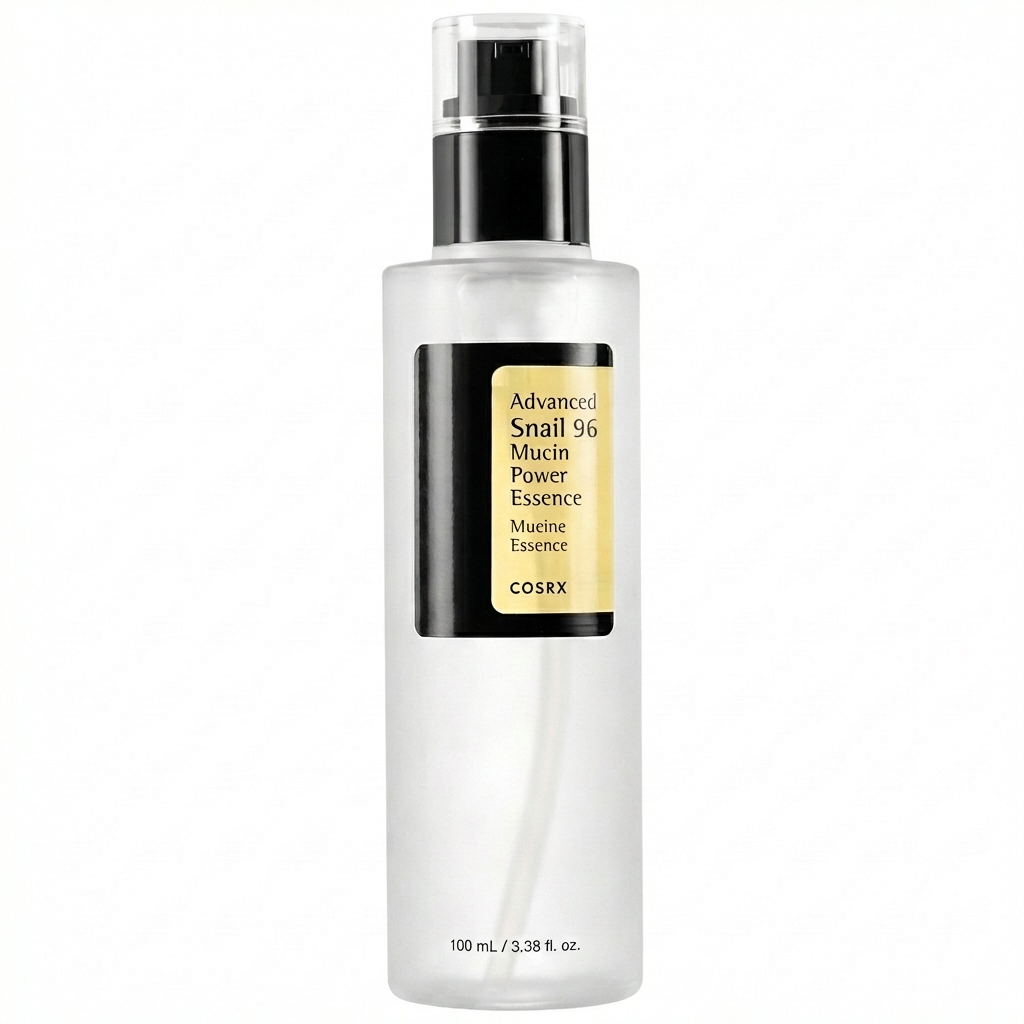
Effective formulas start around 70–80% SSF. The 96% in COSRX's Advanced Snail Mucin Power Essence is the category reference — higher than that has diminishing returns and risks formulation instability.

The science

What we actually know — and what we don't.

What exactly is snail mucin?

Snail mucin (technically snail secretion filtrate, or SSF) is the slime that Helix aspersa — the common garden snail — produces when stressed. The snail uses this secretion to repair damage to its own shell and skin, which is why it contains such a useful cocktail of repair-oriented compounds. In cosmetics, the secretion is collected ethically (most reputable Korean brands use stress-free harvesting methods that do not harm the snail), filtered to remove cellular debris and pathogens, and standardised before being added to a formula. The active fraction is a mix rather than a single molecule: large glycoproteins and glycosaminoglycans (the same family as hyaluronic acid), allantoin, low concentrations of glycolic acid, copper peptides, antimicrobial peptides, vitamins, and trace minerals including zinc and manganese. A 2024 Scientific Reports paper on commercial SSF showed that the exact extraction method materially changes the protein and polysaccharide profile, which is why two products with similar "96% snail mucin" claims can perform noticeably differently in practice.

How it works on your skin

Two main mechanisms are reasonably well-supported: 1. Hydration via film formation. The high-molecular-weight glycoproteins and glycosaminoglycans bind water and form a breathable hydrating film on the stratum corneum (the outermost layer of your skin). Functionally this is similar to how hyaluronic acid works, but the film is more substantive — closer to a light occlusive than a humectant — which is why snail essences feel "cushiony" rather than tacky. 2. Cellular signalling that supports repair. In vitro and animal studies show snail secretion stimulates the proliferation and migration of keratinocytes (the cells forming your skin's outer barrier) and fibroblasts (the cells in the dermis that produce collagen and elastin). The most cited human data comes from Fabi et al., who found measurable improvements in periorbital wrinkles and skin texture after twelve weeks of SCA filtrate use, and from a 2009 study showing Helix aspersa extract accelerated healing in partial-thickness burn patients. A third mechanism that is often over-claimed is "snail mucin is a natural retinol alternative." It is not. The two work through completely different pathways. Snail mucin does not bind to retinoid receptors and has no measurable effect on cellular turnover in the way that adapalene or tretinoin do. What it does well is support the recovery phase when you are using actives that compromise the barrier.

What the studies actually show (and don't)

Honest summary of the evidence base in 2026: Well-supported: Hydration, post-inflammatory erythema reduction (the lingering redness after a spot heals), short-term skin texture improvement, post-procedure recovery support (especially after fractional laser). Plausible but under-powered studies: Reduction of fine lines over 12+ weeks of use, post-acne mark fading, modest improvement in skin elasticity. Marketing claims that are not supported: Replacing retinol or vitamin C. "Reversing" deep wrinkles. Treating active acne. Spot fading on the timescale of weeks rather than months. The Singh et al. 2024 systematic review in the Journal of Cosmetic Dermatology is the best current overview: the consensus is that snail mucin is a useful adjunct ingredient with a strong safety profile, not a hero anti-ageing active. Most clinical trials in the literature have small populations, no placebo control, or are funded by ingredient suppliers — so the magnitude of effect is harder to pin down than the direction.

Concentration — does 96% really matter?

The numbers on K-beauty bottles are real but easy to misread. "96% snail mucin" means the formula is 96% snail secretion filtrate by weight — the remaining ~4% is preservatives, a humectant or two, and pH adjusters. By comparison, "5% niacinamide" means the active ingredient is 5% of the whole formula. They are not the same kind of percentage. In practice: - Below ~50% SSF — texture and hydration similar to a standard humectant essence, snail-specific benefits modest. - 70–96% SSF — the sweet spot. Most efficacy studies use formulas in this range. - Above 96% — diminishing returns, and the formula gets harder to keep stable without sufficient preservative system. The reason the COSRX 96 became the category reference is simply that it hit the highest SSF concentration that was still stable in mass production at the time (2010s). Newer brands have matched or slightly exceeded it but the marginal benefit is small.

In Korean skincare specifically

Why this ingredient is a K-beauty signature, and how the major brands differ.

Why snail mucin became a K-beauty signature

Snail extract for skin is not originally Korean — Chilean snail farmers in the 1980s first noticed their hands healed faster after handling the snails — but Korean formulators were the first to figure out how to standardise and concentrate the extract at scale, and then put it in everyday products at a price point that made it accessible. The COSRX Advanced Snail 96 Mucin Power Essence, launched in 2014, was the inflection point. It made snail mucin a category — before that essence, it was mostly found in luxury skincare at £80+ for 30ml. COSRX shipped a 100ml essence with 96% SSF for under £20. Within five years it had become one of the most-reviewed skincare products in the world, with over 500,000 reviews across major beauty platforms, and the snail essence shape (clear glass dropper bottle, minimal label) had become a visual shorthand for "Korean skincare" in Western beauty media.

How Korean brands differ in 2026

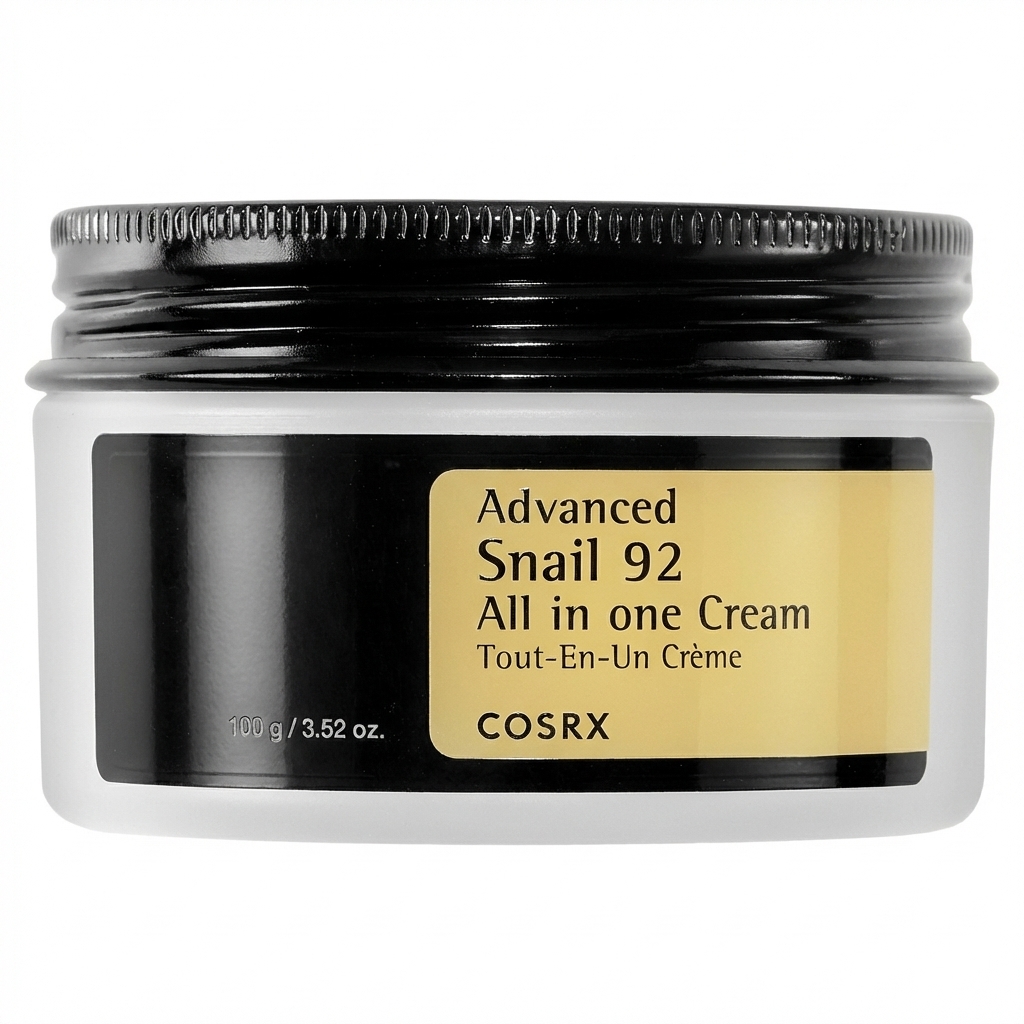
The three brands most UK shoppers encounter are COSRX, Mizon, and Beauty of Joseon, and they take noticeably different approaches: COSRX Advanced Snail 96 Mucin Power Essence — 96% SSF, essentially nothing else. The reference formula. Texture is slightly slimy on application (a polarising sensorial — some people love it, some don't), absorbs quickly into a hydrating film, no fragrance. £19–22 for 100ml. Mizon All-In-One Snail Repair Cream — ~92% SSF in a richer occlusive cream base with squalane and adenosine. Suited for night use on dehydrated skin, or layering over an essence in winter. £18–24 for 75ml. Beauty of Joseon Repair Serum (Ginseng + Snail Mucin) — Lower SSF concentration but pairs snail with red ginseng extract for additional antioxidant support. The gentlest of the three; their formulation philosophy is "low irritation, low strength, layer-able" rather than "highest concentration." £14–18 for 30ml. If you have to start with one and you have no reactive history, the COSRX is still the highest-leverage purchase. If you have very sensitive skin or have reacted to mucin products before, Beauty of Joseon is the safer entry. The Mizon is better as a second product once you know you tolerate the ingredient.

Who it's good for

Snail mucin is one of the rare K-beauty actives that is genuinely good for *almost everyone*. Its mechanisms — hydration and barrier support — address baseline skin needs rather than a specific concern. It is particularly valuable when paired with anything that compromises the barrier (retinoids, acids, harsh cleansers), and after in-clinic procedures like microneedling or laser.

Skin types

drycombinationsensitivenormaldehydrated oily

Concerns it addresses

barrier damagepost acne-marksdrynessrednessfine linespost procedure-recovery

Age range: Useful at any age from late teens onwards. Highest perceived value tends to come in the 25–45 range when active-driven routines (acids, retinoids) make barrier support more necessary.

Who should avoid

Snail mucin is one of the most well-tolerated ingredients in cosmetics, with allergic reactions reported in well under 1% of users. The most common reason to skip it is ethical (animal-derived) rather than safety. If you are pregnant or breastfeeding, snail mucin itself is considered safe — its molecules are too large to be absorbed systemically — but you should still check the rest of the formula for ingredients you are avoiding (retinoids, high-strength vitamin C, salicylic acid above 2%).

  • ·Known mollusc or shellfish allergy (cross-reactivity is rare but documented)
  • ·Strict vegan or animal-free skincare preference
  • ·Active broken skin, open wounds, or eczema flares (use only after consulting your dermatologist)

Layering guide

Snail mucin sits in the *essence* or *light serum* step of a Korean routine — after toner, before heavier serums or moisturiser. A typical evening order: cleanse → (exfoliate, 2–3× per week) → toner → snail essence → targeted serum (retinol, niacinamide, peptides) → moisturiser → facial oil (if needed) Mornings, slot it in before sunscreen, after any active you use in the AM (vitamin C, niacinamide). It is forgiving — moving it one step earlier or later rarely makes a measurable difference.

Hyaluronic acid

Layer freely

Apply HA first on damp skin, then snail mucin on top. The snail forms a film that seals in the HA, boosting both.

Niacinamide

Layer freely

Excellent pairing — both are barrier-supporting and pH-compatible. Niacinamide first (it is more sensitive to layering), then snail.

Retinol / retinoids

Layer freely

Apply retinol first to clean dry skin (it needs receptor access), wait 5 minutes, then layer snail mucin to mitigate barrier disruption.

Vitamin C (L-ascorbic acid)

Wait 10–20 min

Use vitamin C first in your AM routine. Wait 10–15 minutes before applying snail — vitamin C needs a low pH to stay active, and you do not want to dilute it.

AHA / BHA (glycolic, salicylic)

Wait 10–20 min

Apply exfoliating acid first, wait 15–20 minutes for the acid to do its work, then apply snail to soothe and rehydrate.

Benzoyl peroxide

Use opposite routine

Benzoyl peroxide can oxidise and degrade the proteins in snail mucin. Use them in opposite routines (BP in the morning, snail at night, or vice versa).

Peptides

Layer freely

Strong synergy — snail mucin already contains some peptides, and an added peptide serum amplifies the repair signalling.

Sunscreen

Layer freely

Always apply sunscreen as the final morning step, on top of snail mucin. The snail film does not interfere with SPF performance.

Not sure if snail mucin is right for your skin?

Take our 2-minute Skin Match quiz. We'll factor in your skin type, concerns, current routine, and what you're already using — and recommend whether this ingredient earns a place in your shelf.

Start the quiz →

Frequently asked

How long does snail mucin take to work?

Hydration is immediate — you should feel a difference in skin plumpness within one or two uses. Barrier recovery and post-acne mark fading take 4–12 weeks of consistent use. If you see no change after 12 weeks of daily use, the ingredient may not be doing much for your specific skin and you can confidently move on.

Can I use snail mucin every day?

Yes, twice a day if you like. It is one of the few K-beauty actives with no real upper limit on use frequency. The only reason to dial back is if your routine has too many film-forming layers (snail + heavy moisturiser + sleeping mask, for example) and your skin starts feeling congested.

Is snail mucin safe during pregnancy?

The ingredient itself is considered safe — its molecules are too large to be absorbed systemically and cross the placental barrier. No major dermatology body (AAD, BAD, Korean Society of Cosmetic Dermatology) has issued a warning against it in pregnancy. Always check the full ingredient list of the product for any pregnancy-discouraged additives (retinol, high-strength vitamin C, salicylic acid above 2%), and consult your healthcare provider if in any doubt.

Is snail mucin vegan?

No. It is an animal-derived ingredient. Most reputable Korean producers use cruelty-free harvesting methods that do not kill or maim the snail — typically the snail is placed on a mesh and gently stimulated to produce secretion, which is then collected — but the ingredient is not vegan and is unlikely to ever be classified as such. If you want a similar performance profile from a vegan source, look at fermented plant filtrates (galactomyces ferment, lactobacillus filtrate) or polyglutamic acid.

Does snail mucin cause breakouts?

Rare but reported. Most "snail mucin caused me to break out" experiences trace to one of three things: (1) the user introduced multiple new products at once and snail got the blame; (2) the rest of the formula contains fragrance, alcohol denat, or essential oils that triggered the reaction; (3) the user has an undiagnosed mollusc sensitivity. A 7-day patch test on the inner forearm before applying to the face is sensible practice.

Can I use snail mucin with retinol?

Yes — in fact this is one of the better pairings in Korean skincare. Apply retinol first to clean dry skin, wait about 5 minutes, then layer snail mucin on top. The snail film helps mitigate the dryness and tightness retinol can cause, and it does not interfere with retinol's mechanism (which acts at the receptor level inside the skin cell).

Snail mucin vs hyaluronic acid — which is better?

Different jobs, similar but distinct mechanisms. Hyaluronic acid is a single molecule that pulls water into the skin and is at its best on damp skin under a moisturiser. Snail mucin is a *mix* — it includes glycosaminoglycans (the family hyaluronic acid belongs to) but also adds glycoproteins, peptides, and trace amounts of glycolic acid. If you only buy one, snail mucin gives you slightly more functionality. If you can layer, HA-first-then-snail is the best of both.

Why does snail mucin feel slimy?

The slimy texture is the high-molecular-weight glycoproteins and glycosaminoglycans, the same molecules that do most of the work. There is no formulation way to make a high-percentage snail essence not feel slimy on application — but it absorbs within about 60 seconds and leaves a cushiony, plump finish, not a tacky one.