Ingredient Guide
Ceramides in Korean skincare
The lipid molecules that hold your skin barrier together — without enough of them, water leaks out and irritants leak in. Topical ceramides directly replenish what age, weather, and over-washing strip away.
Also known as: Ceramide NP · Ceramide AP · Ceramide EOP · Ceramide NS · Ceramide complex · 5-Cera Complex · Phytoceramides
30-second summary
- What it is
- Lipid molecules that form roughly half the matrix of your skin's outermost barrier layer (the stratum corneum). At least 12 types exist in human skin; the most-used in skincare are ceramide NP, AP, EOP, and NS.
- What it does
- Physically replenish the lipid barrier between corneocytes (your dead-skin-cell "bricks"), reducing transepidermal water loss (TEWL), increasing hydration, and lowering reactivity to irritants over 2–4 weeks of use.
- Who it's for
- Anyone with a compromised barrier — dryness, eczema, post-procedure healing, over-exfoliated skin, mature skin (natural ceramide content drops with age), or anyone in cold/dry climates.
- Avoid if
- Rarely contraindicated. The only realistic concern is buying products that *claim* ceramides at a marketing level (one ceramide, deep in the INCI list) and not delivering meaningful concentrations.
- Best concentration
- The right question is *ratio*, not concentration. Look for products with multiple ceramide types (3+) AND added cholesterol AND fatty acids in roughly 3:1:1 ratio — this matches your skin's natural lipid composition and gives the best barrier-repair evidence.
The science
What we actually know — and what we don't.
The 3:1:1 ratio — what it means and why it matters
Why your skin's ceramide content drops over time
What the studies show
In Korean skincare specifically
Why this ingredient is a K-beauty signature, and how the major brands differ.
Why K-beauty took ceramides seriously
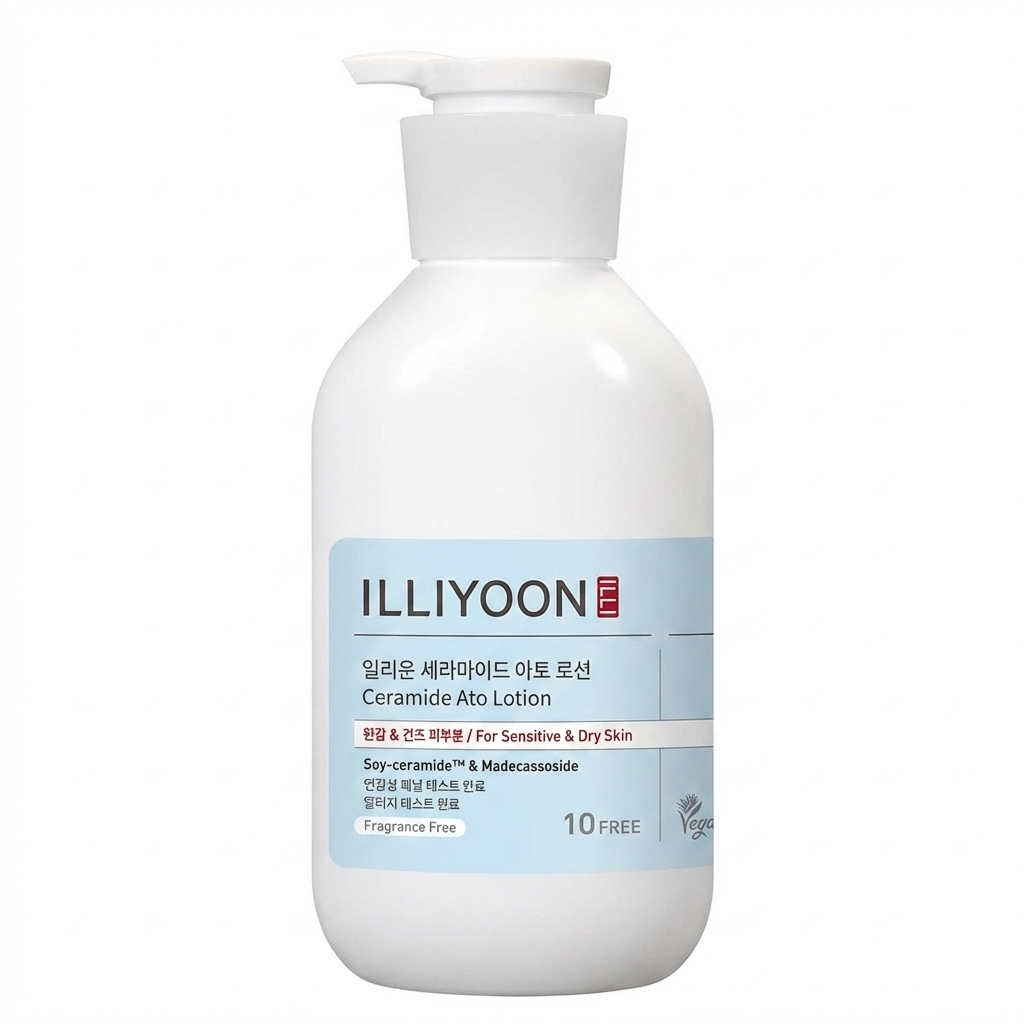
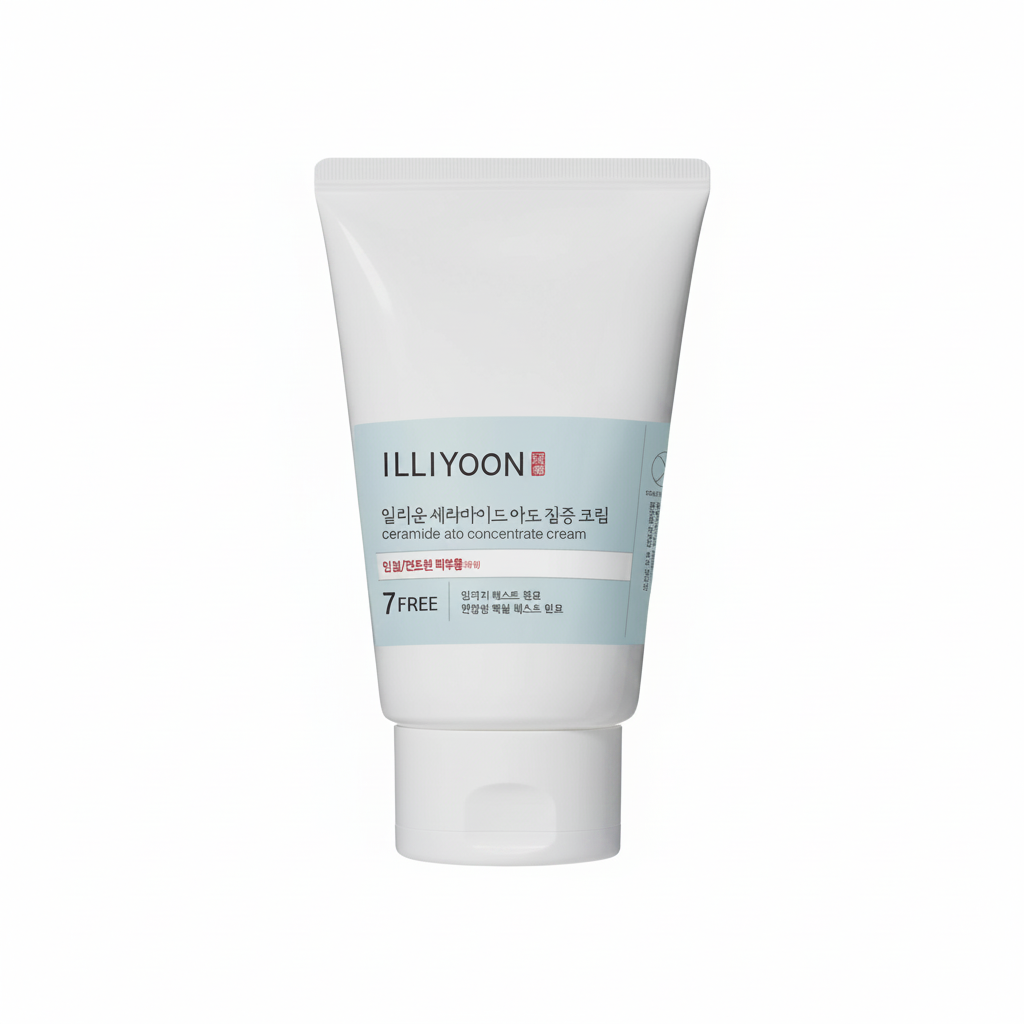
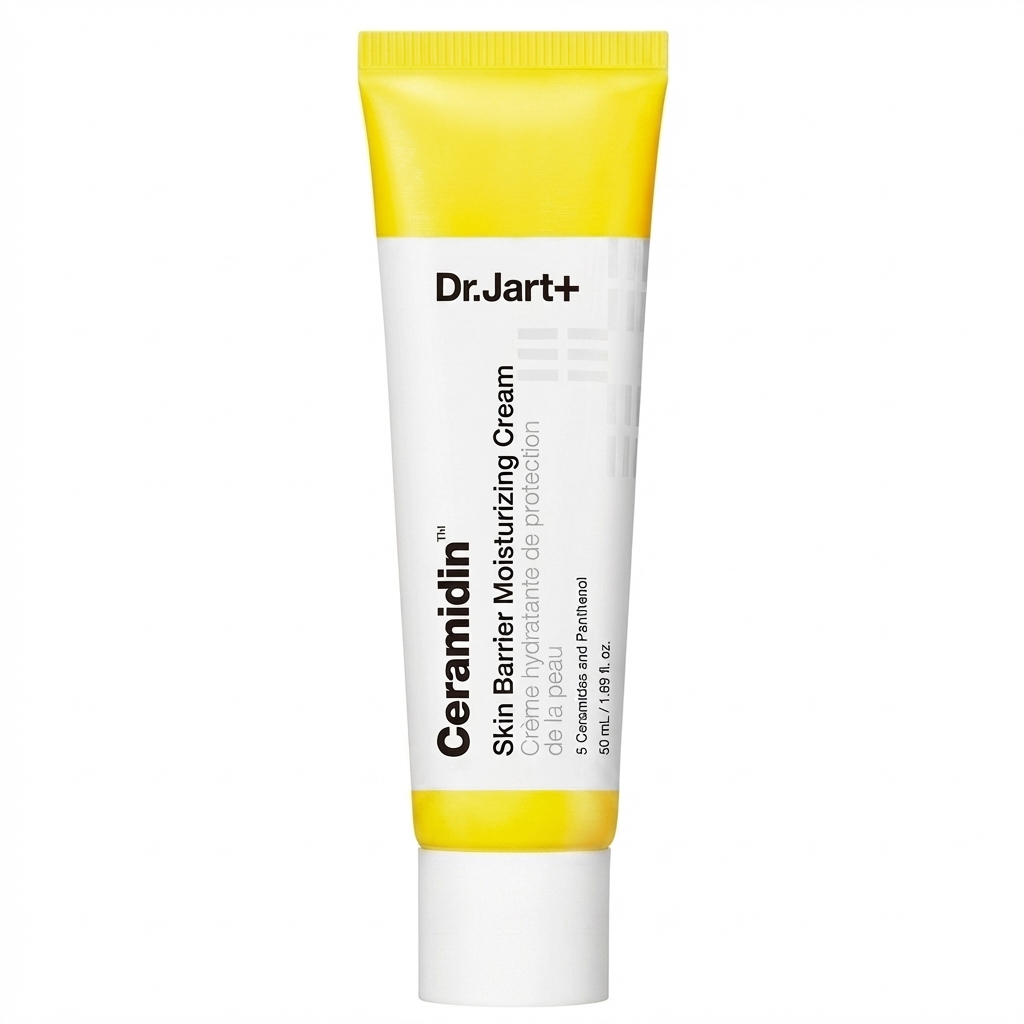
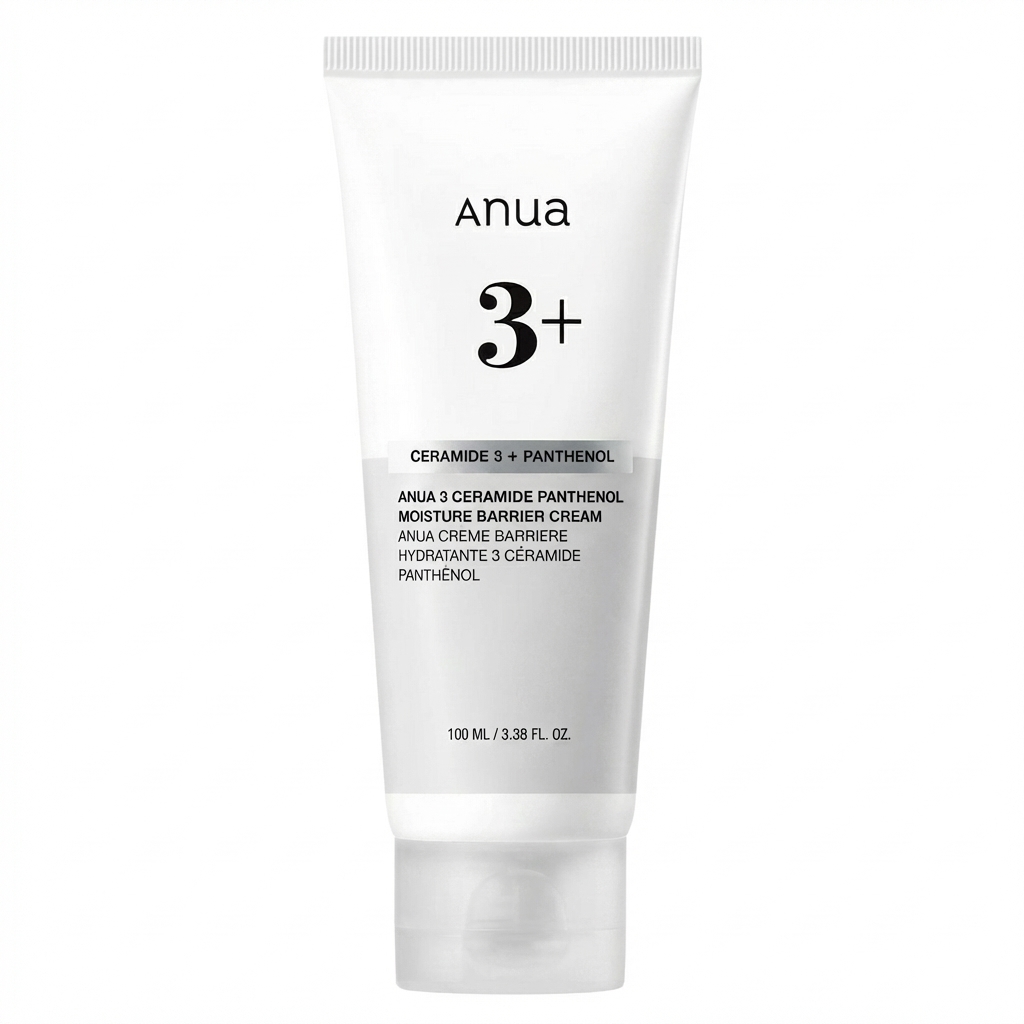
The Korean ceramide products worth knowing
Who it's good for
Ceramides are not an "optional" active for most adult skin past the late 20s — they are replacing something the skin is naturally losing. The recommendation is universal: if you have any barrier sensitivity, dryness, or are using actives (retinoids, acids), a ceramide-rich moisturiser is among the highest-leverage additions to a routine.
Skin types
Concerns it addresses
Age range: Useful at every age, with rising returns from 30+ as natural ceramide content drops. From 50+ they become foundational rather than optional.
Who should avoid
Ceramides are exceptionally well-tolerated; reactions are essentially nonexistent because the molecules are identical or very close to your skin's natural composition. The main consumer risk is paying premium prices for products that under-deliver. Look for multiple ceramide types, cholesterol, and fatty acids in the INCI list — that is the signal of a real formulation.
- ·No real contraindications — ceramides are structural lipids identical or very similar to those your skin already makes
- ·The realistic risk is buying products marketed as "ceramide" but with insufficient concentration or single-ceramide formulations
- ·Some users with very oily skin find rich ceramide creams too heavy in summer — a serum format or lighter cream solves this
Layering guide
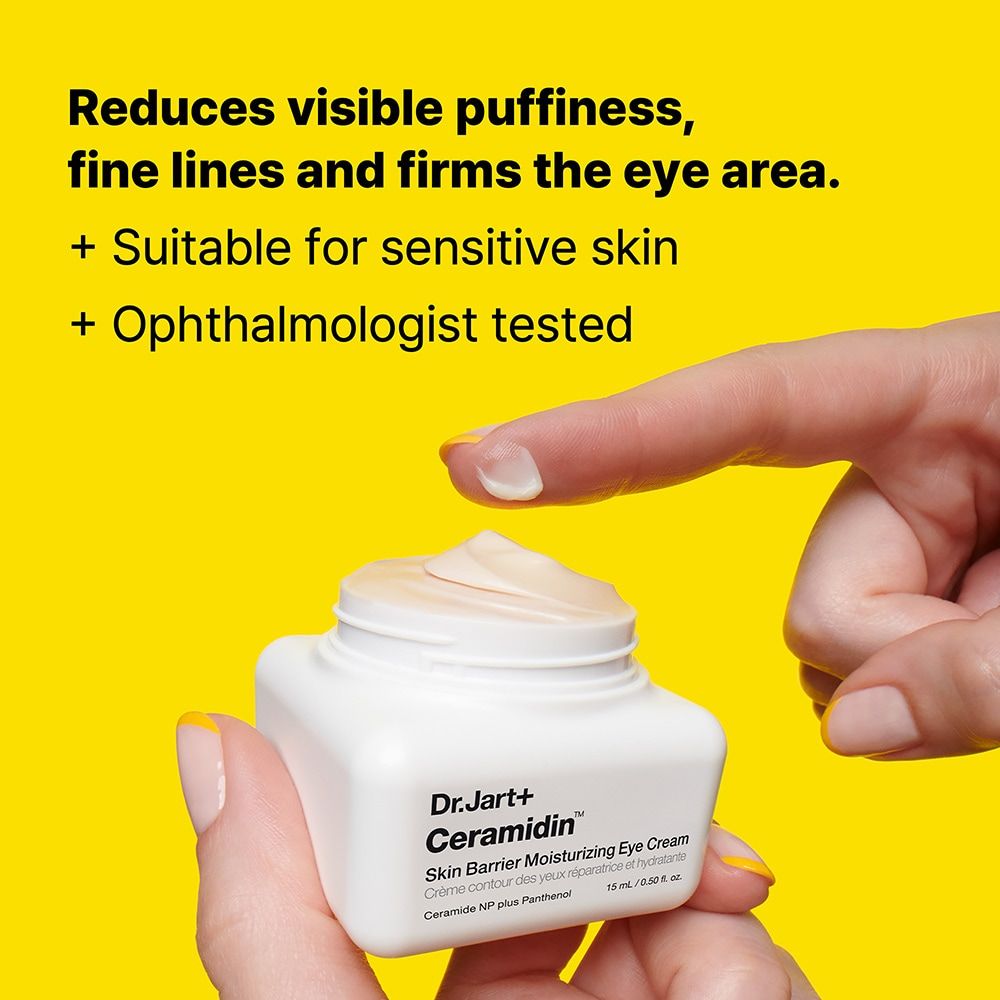
Ceramides typically come in the moisturiser step — the final or second-to-last step of your routine (before sunscreen in AM, before facial oil in PM). Typical pattern: cleanse → toner → essence → active serum (niacinamide, retinol, etc.) → ceramide moisturiser → SPF (AM) / facial oil (PM, optional) If your ceramide product is a serum format (Beta-Glucan Power, iUNIK), slot it before your moisturiser. If it is in the moisturiser itself (Ceramidin Cream, SoonJung Intensive), it *is* your moisturiser step. The most common mistake: layering a ceramide serum under a non-ceramide moisturiser. You get more value from a ceramide-rich moisturiser as the closing step than from a ceramide serum buried mid-routine.
Snail mucin
Layer freelySnail provides surface hydration, ceramides provide deep barrier lipids. Apply snail first (lighter), ceramide cream after.
Niacinamide
Layer freelyStrong synergy — niacinamide upregulates the skin's own ceramide synthesis. Apply niacinamide first, ceramide moisturiser to seal.
Centella / Heartleaf
Layer freelyCalming actives first, ceramide cream as the moisturiser step. No conflict.
Retinol / retinoids
Layer freelyThis is the *best* layering pair in skincare. Retinol first to clean dry skin, wait 5 min, then ceramide moisturiser to mitigate the barrier challenge.
AHA / BHA
Layer freelyApply acid first, wait 15–20 minutes, then ceramide moisturiser to seal and rebuild.
Hyaluronic acid
Layer freelyBest practice: HA on damp skin first, then ceramide cream to lock in the water HA pulled in. Classic moisture sandwich.
Vitamin C
Layer freelyVitamin C first on dry clean skin (it needs low pH), then ceramide moisturiser after. Compatible.
PDRN / peptides
Layer freelyApply the active serum first, ceramide cream after. Ceramides do not interfere with these signalling actives.
K-beauty products with ceramides
8 products available in the UK, sorted by rating.
Not sure if ceramides is right for your skin?
Take our 2-minute Skin Match quiz. We'll factor in your skin type, concerns, current routine, and what you're already using — and recommend whether this ingredient earns a place in your shelf.
Start the quiz →Frequently asked
Do I need a ceramide product if I have oily skin?
Yes, just in a lighter format. Oily skin still has a barrier built from the same lipid structure — and over-cleansing or active use can still compromise it. A lightweight ceramide serum or gel-cream gives you the barrier benefit without the heavy occlusion. Round Lab 1025 Dokdo and iUNIK Beta-Glucan Power are good examples.
Why does my "ceramide cream" not feel like it's doing anything?
Most likely the formulation does not include the 3:1:1 lipid mix that actually drives barrier repair. Check the INCI: if you see only one ceramide type and no cholesterol or fatty acids nearby, the product is using ceramide as a marketing claim. Switch to a product with multiple ceramides + cholesterol + fatty acids clustered together.
Are vegan ceramides the same as animal-derived ceramides?
Yes, biochemically. The ceramides used in modern skincare are almost all bio-fermented or synthesised, not extracted from animals. Plant-derived "phytoceramides" (often from rice or wheat) are structurally very similar and functionally interchangeable for topical use. The ceramide molecule itself does not "care" what produced it.
How long do topical ceramides take to work?
Hydration improvement within 24–72 hours. TEWL reduction in 1–2 weeks. Reduced reactivity in 2–4 weeks. Sustained barrier improvement requires ongoing use — your skin's own ceramide content is the underlying issue, and topical replenishment helps as long as you keep applying.
Are ceramides safe during pregnancy?
Yes. Ceramides are structural lipids identical or near-identical to those your skin already produces; there is no pregnancy concern. Many dermatologists specifically recommend ceramide-rich moisturisers for pregnancy and post-partum when the rest of the active routine has to be paused.
Ceramides vs hyaluronic acid — which is more important?
They work at different layers and do different jobs. Hyaluronic acid is a humectant — it pulls water into the skin. Ceramides are the lipids that hold that water in. Stack them: HA on damp skin first to draw water in, ceramide moisturiser on top to seal. If you can only have one, ceramides give the more durable improvement; HA gives the immediate plumping.
Can I use ceramides with retinol?
This is one of the best pairings in skincare. Retinol challenges the barrier; ceramides rebuild it. The standard pattern is retinol first to clean dry skin, wait about 5 minutes, then a ceramide-rich moisturiser as the closing step. This is how dermatologists typically have patients use prescription retinoids.
Sources
Last reviewed 2026-05-17. We update this page when new peer-reviewed research changes our recommendations.
- [1]Ceramides EOP, NP, AP — Decoded for Barrier-Boosting Formulas (Flychem)editorial
- [2]The ceramide [NP]/[NS] ratio in the stratum corneum is a potential marker for skin properties (PMC)peer reviewed
- [3]Dr. Jart+ Ceramidin Skin Barrier Moisturizing Cream Review (DermApproved)editorial
- [4]Ceramide NP vs AP vs EOP — Choosing Ratios for Barrier Repair (Grand Ingredients)editorial