Ingredient Guide
Fermented Rice in Korean skincare
A Korean and Japanese cosmetic tradition with modern dermatological backing — fermented rice extract delivers a stack of niacinamide, ferulic acid, kojic acid, and amino acids in one well-tolerated brightening ingredient.
Also known as: Oryza sativa extract · Rice ferment · Rice bran extract · Saccharomyces / rice ferment · Rice water · Black rice ferment
30-second summary
- What it is
- A water or alcohol extract of rice (Oryza sativa) seed, rice bran, or whole rice grain, typically processed via lactobacillus or saccharomyces fermentation. The fermentation breaks rice starches and proteins into smaller, more bioavailable peptides, amino acids, and organic acids.
- What it does
- Brightens tone via low-concentration kojic acid and ferulic acid, supports barrier with rice-derived ceramides and amino acids, and hydrates via rice-extracted glycerol and beta-glucan.
- Who it's for
- Anyone wanting gentle daily brightening without acid irritation, dull or uneven skin tone, sensitive skin that reacts to vitamin C, and users looking for a "traditional Korean" ingredient with modern dermatology data.
- Avoid if
- Known rice or grain allergy (very rare in topical use). Otherwise extremely well-tolerated; rice ferment is among the lowest-irritation actives in K-beauty.
- Best concentration
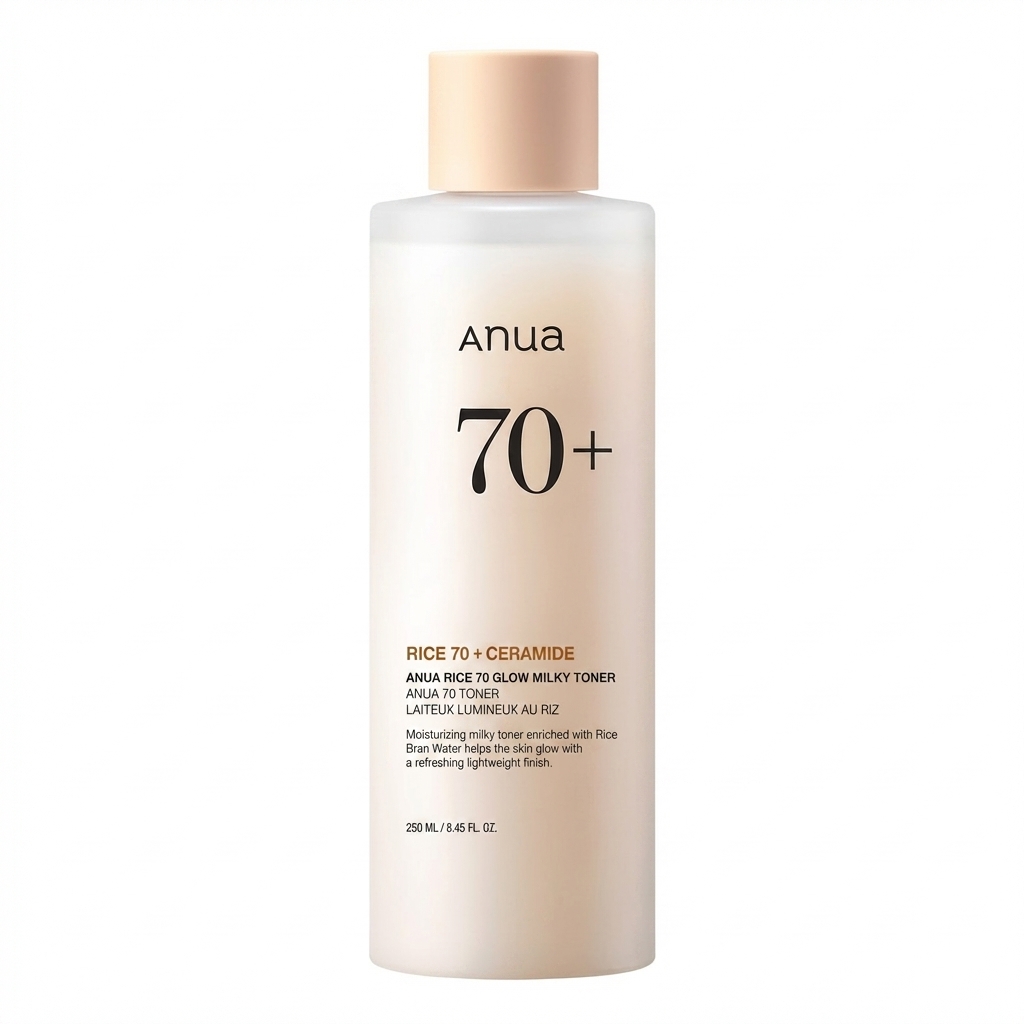
- Look for "rice extract" or "Oryza sativa extract" listed in the top 5 of the INCI. Premium products (I'm From Rice Toner at 77%, Beauty of Joseon Glow Serum) deliver high concentrations; mass-market often dilutes. Above 50% is the meaningful threshold.
The science
What we actually know — and what we don't.
Why fermentation matters
The brightening claim — what's real
In Korean skincare specifically
Why this ingredient is a K-beauty signature, and how the major brands differ.
The Joseon-era beauty tradition that became 2026 K-beauty
The rice ferment products worth knowing
Who it's good for
Fermented rice is the gentle alternative to aggressive brightening actives. Where vitamin C and AHA can sting, sensitise, and require careful introduction, rice ferment delivers a measured stack of brightening and barrier compounds with essentially no irritation risk. The trade-off is slower visible results; the upside is being able to use it daily, indefinitely, without sensitisation.
Skin types
Concerns it addresses
Age range: Useful at any age. Particularly high-value in 30s+ when tone evenness becomes a more visible concern, and for users wanting brightening without the irritation risk of high-concentration vitamin C.
Who should avoid
Fermented rice has one of the cleanest safety profiles in cosmetics. Korean dermatology research and decades of consumer use show very low rates of reactivity. Pregnancy and breastfeeding use is considered fully safe at cosmetic concentrations. The most realistic risk is buying products that under-deliver on the rice content — check the INCI position of "Oryza sativa extract" before paying premium prices.
- ·Known rice grain allergy (rare in topical use, more common in oral)
- ·Severe yeast sensitivity (saccharomyces ferments could potentially trigger)
- ·No real safety concerns for the vast majority of users
Layering guide
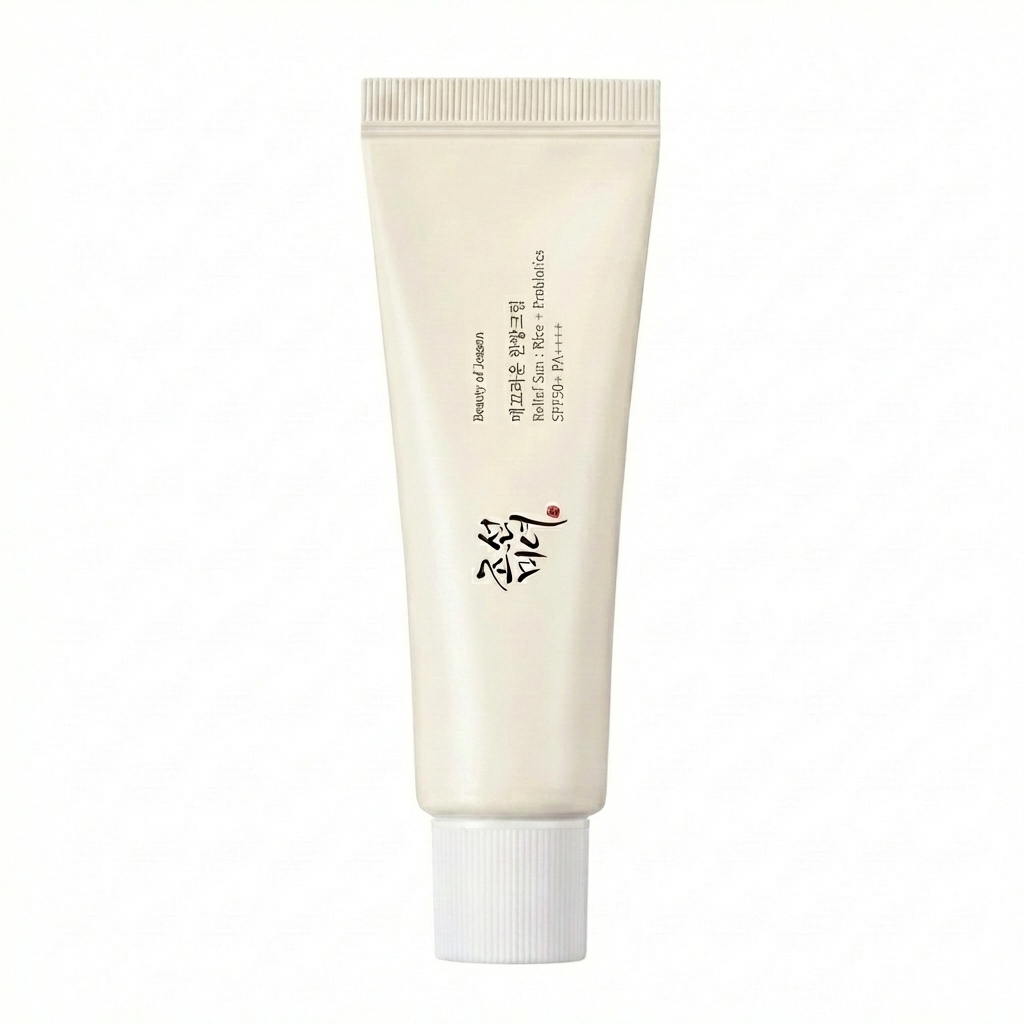
Rice ferment products come in three formats: **Toner** (I'm From Rice Toner, Beauty of Joseon Rice Milk): early in routine, after cleansing toner, before serums. Layer 2–3 thin applications using the 7-skin pressing technique. **Serum** (Beauty of Joseon Glow Deep Serum, Anua Heartleaf Rice): mid-routine, after toner/essence, before moisturiser. **Sunscreen** (Beauty of Joseon Relief Sun): final morning step after moisturiser. A typical brightening-focused evening routine: gentle cleanse → toner → rice toner (2 layers) → vitamin C or retinol → moisturiser Rice ferment is one of the few actives gentle enough to use morning and evening without any sensitisation concern.
Niacinamide
Layer freelyRice ferment already contains niacinamide naturally — additional niacinamide stacks for stronger pore and tone effects. Layer either order.
Vitamin C
Layer freelyExcellent synergy. Rice ferment's ferulic acid stabilises vitamin C. Apply vitamin C first, wait 10–15 min, then rice toner/serum.
Snail mucin
Layer freelyStrong pairing for sensitive skin wanting gentle brightening. Rice toner first, snail essence after.
Centella / Heartleaf
Layer freelyLayer rice (toner) first, then calming actives. No conflict; complementary effects.
Retinol
Layer freelyRice ferment buffers retinol irritation without reducing efficacy. Retinol on clean dry skin first, wait 5 min, then rice toner.
AHA / BHA
Wait 10–20 minApply acid first, wait 15 minutes, then rice product. The mild acids in rice ferment shouldn't stack with strong AHA on the same routine.
Ceramides
Layer freelyRice toner/serum first, ceramide moisturiser as closing step. Standard pattern.
Peptides / PDRN
Layer freelyLayer freely. Different mechanisms, no incompatibility.
K-beauty products with fermented rice
3 products available in the UK, sorted by rating.
Not sure if fermented rice is right for your skin?
Take our 2-minute Skin Match quiz. We'll factor in your skin type, concerns, current routine, and what you're already using — and recommend whether this ingredient earns a place in your shelf.
Start the quiz →Frequently asked
Does Beauty of Joseon Glow Serum actually brighten skin?
Yes, slowly. The rice extract delivers low-concentration kojic acid, phytic acid, and ferulic acid; the added alpha-arbutin contributes further tyrosinase inhibition; and the niacinamide blocks melanosome transfer. Together these mechanisms give measurable tone evening over 4–8 weeks of daily use. It will not fade dark spots dramatically the way professional treatments do, but it will steadily improve overall tone without irritation.
I'm From vs Beauty of Joseon — which rice product?
Different products for different needs. I'm From Rice Toner is the highest-concentration single-rice formulation (77.78%) and works best as a daily hydrating-brightening toner. Beauty of Joseon Glow Deep Serum stacks rice with arbutin and niacinamide for more aggressive brightening; it's a serum, not a toner, so it slots later in your routine. Many users use both — I'm From toner early, Beauty of Joseon serum later.
How long does fermented rice take to work?
Hydration improvement within 1–2 weeks. Visible tone evening in 4–8 weeks. Meaningful improvement in mild hyperpigmentation in 8–12 weeks. The effects are gentler and slower than vitamin C or AHA, but they continue compounding because rice ferment is gentle enough for indefinite daily use.
Is fermented rice safe during pregnancy?
Yes. Rice extract has no known pregnancy concerns and is considered fully safe at cosmetic concentrations. Beauty of Joseon Glow Deep Serum (rice + arbutin + niacinamide) is among the pregnancy-safe alternatives to vitamin C for tone work. As always, check the full INCI for any other actives that may be cautioned.
Can I use rice toner with vitamin C?
Yes — and this is actually one of the better pairings. The ferulic acid in rice extract stabilises vitamin C and amplifies its antioxidant effect. Apply vitamin C first to clean dry skin (it needs low pH), wait 10–15 minutes, then layer rice toner. This combination is the basis for several premium "C+E+F" serums.
Is rice ferment just water with rice in it?
No. The fermentation process breaks rice down into amino acids, peptides, niacinamide, ferulic acid, kojic acid, phytic acid, and beta-glucan — a buffered cocktail of bioactive compounds. The visible water-like appearance of high-concentration rice toners is deceptive; the active content is meaningful, just dispersed across many small molecules rather than one signature actor.
Why does Beauty of Joseon Relief Sun get so much hype?
It hits a difficult triple: high SPF (SPF50+ PA++++), no white cast even on deeper skin tones, and a generous 30% rice extract content that delivers some skincare benefit alongside the UV protection. Most sunscreens fail one of these three; Relief Sun delivers all three at a £15 price point. The TikTok virality is earned.
Sources
Last reviewed 2026-05-17. We update this page when new peer-reviewed research changes our recommendations.