Ingredient Guide
Heartleaf in Korean skincare
A Korean medicinal herb (eoseongcho) whose polyphenolic flavonoids calm acne-prone, oily, redness-flushed skin — the 2024–26 K-beauty viral ingredient that actually has the clinical data to back it up.
Also known as: Houttuynia cordata · Eoseongcho (어성초) · Fish mint · Chameleon plant · Yu Xing Cao
30-second summary
- What it is
- A herbaceous plant (Houttuynia cordata) traditional to Korean and Chinese medicine for over a thousand years. The Korean name "eoseongcho" (어성초) literally translates to "fish-smell grass" — the fresh leaves have a faintly fishy aroma, which is removed during cosmetic extraction.
- What it does
- Reduces redness via NF-κB inhibition (same pathway as centella), suppresses sebum output, and shows direct antibacterial activity against P. acnes via its quercetin and quercitrin content.
- Who it's for
- Oily and combination acne-prone skin, redness-flushed sensitive skin, anyone whose skin produces excess sebum but also reacts to harsh acne actives. The current go-to K-beauty calming ingredient for the under-30 demographic.
- Avoid if
- You have a known allergy to plants in the Saururaceae family. Some people with very dry skin find heartleaf-heavy toners drying when used too frequently.
- Best concentration
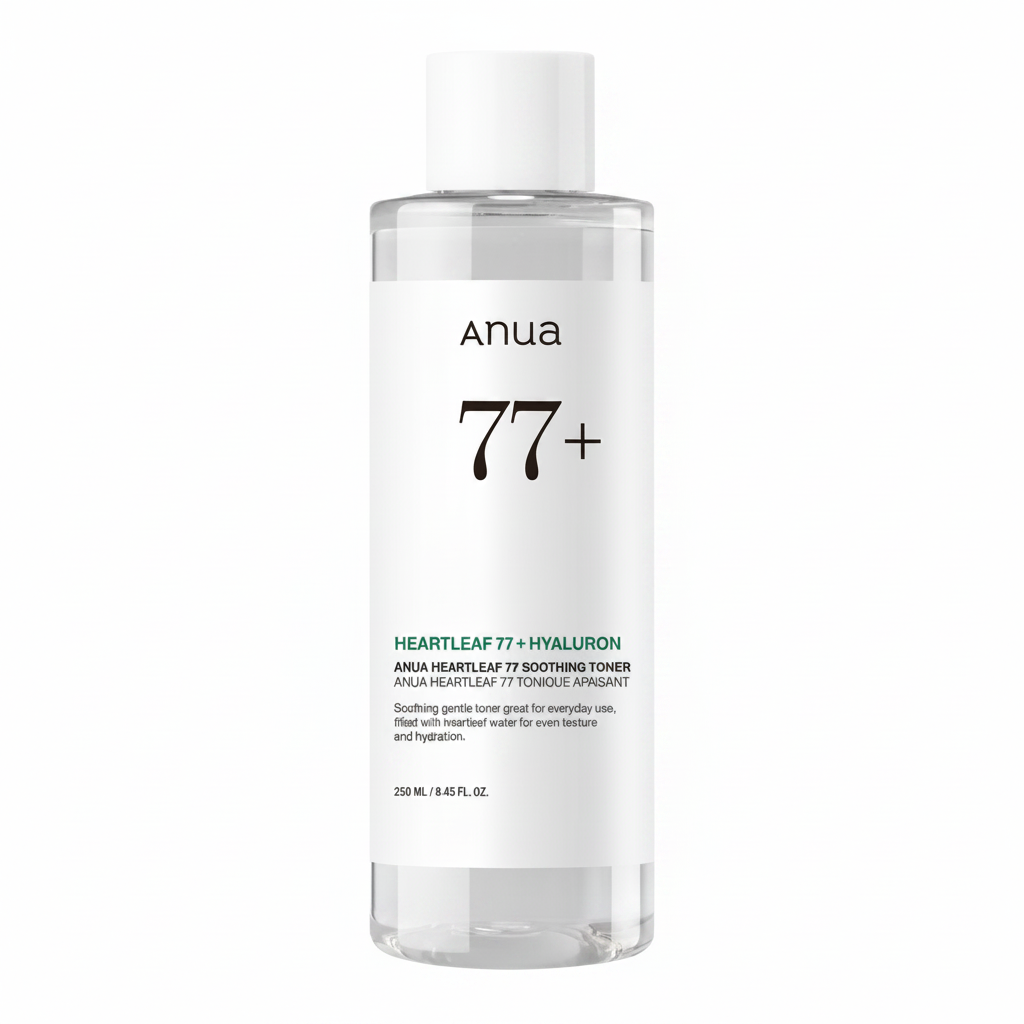
- Look for at least 50% heartleaf extract on the label for visible effects. Anua's 77% set the category benchmark; products at 30% or less are mostly marketing claims unless paired with other actives.
The science
What we actually know — and what we don't.
How it works — the four key flavonoids
What the studies show
In Korean skincare specifically
Why this ingredient is a K-beauty signature, and how the major brands differ.
Why heartleaf became K-beauty's 2024 moment
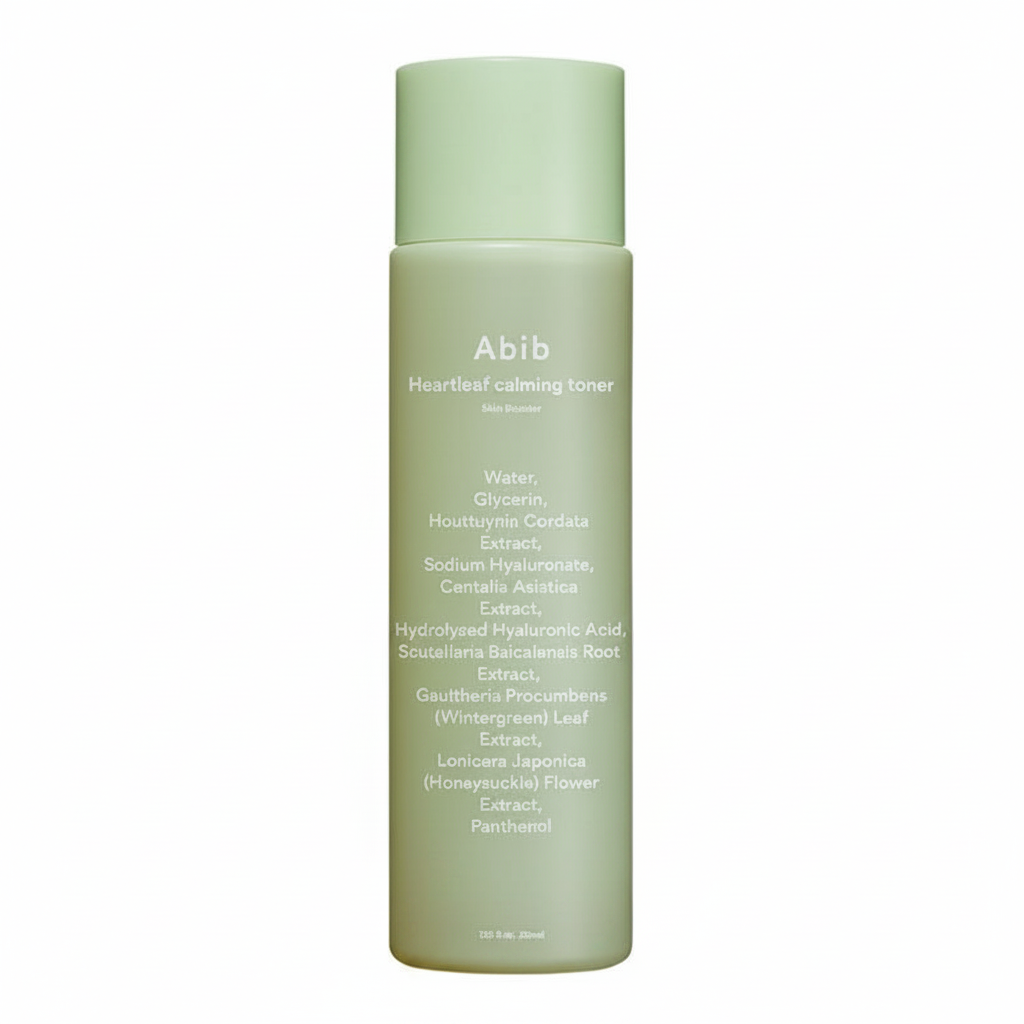
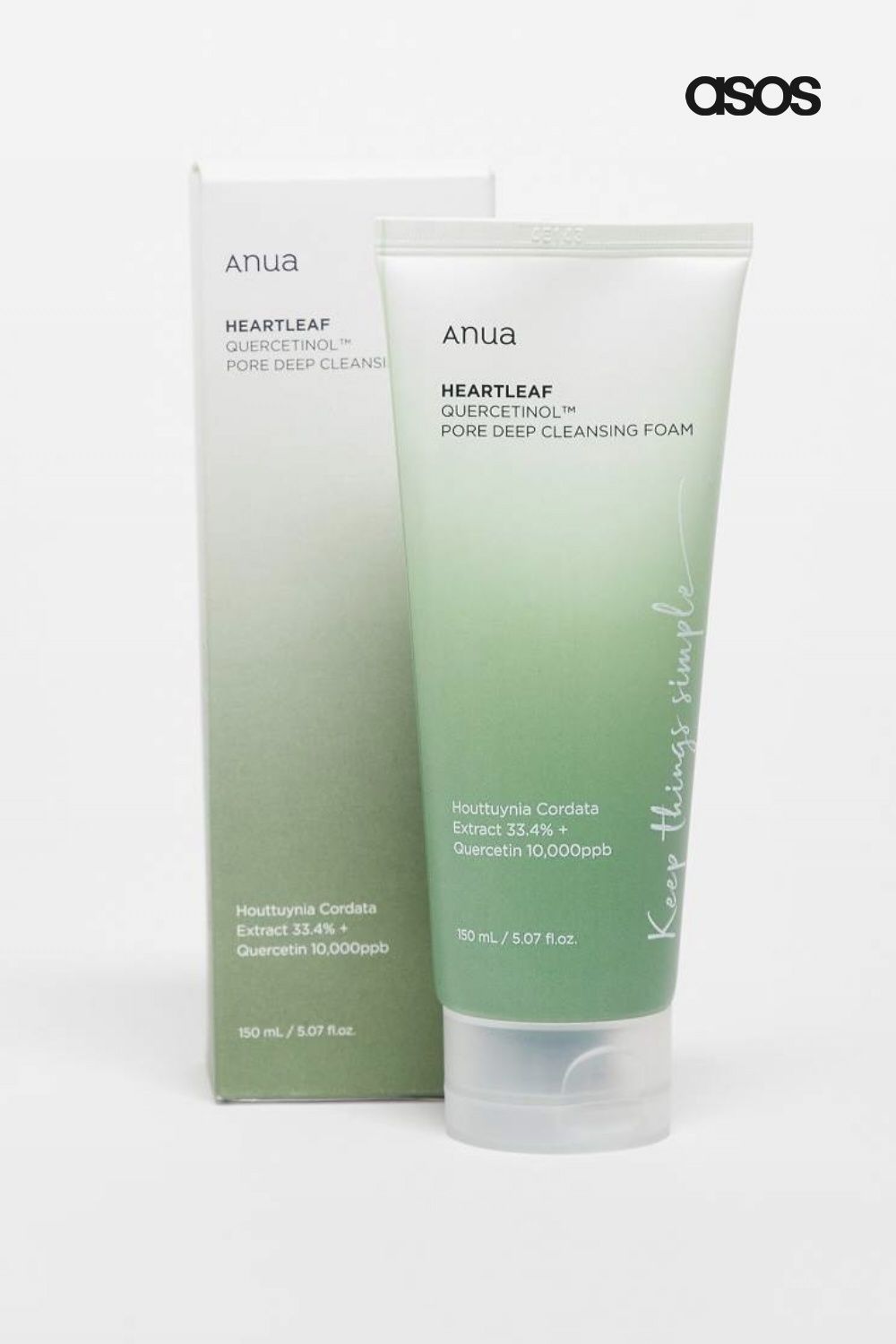
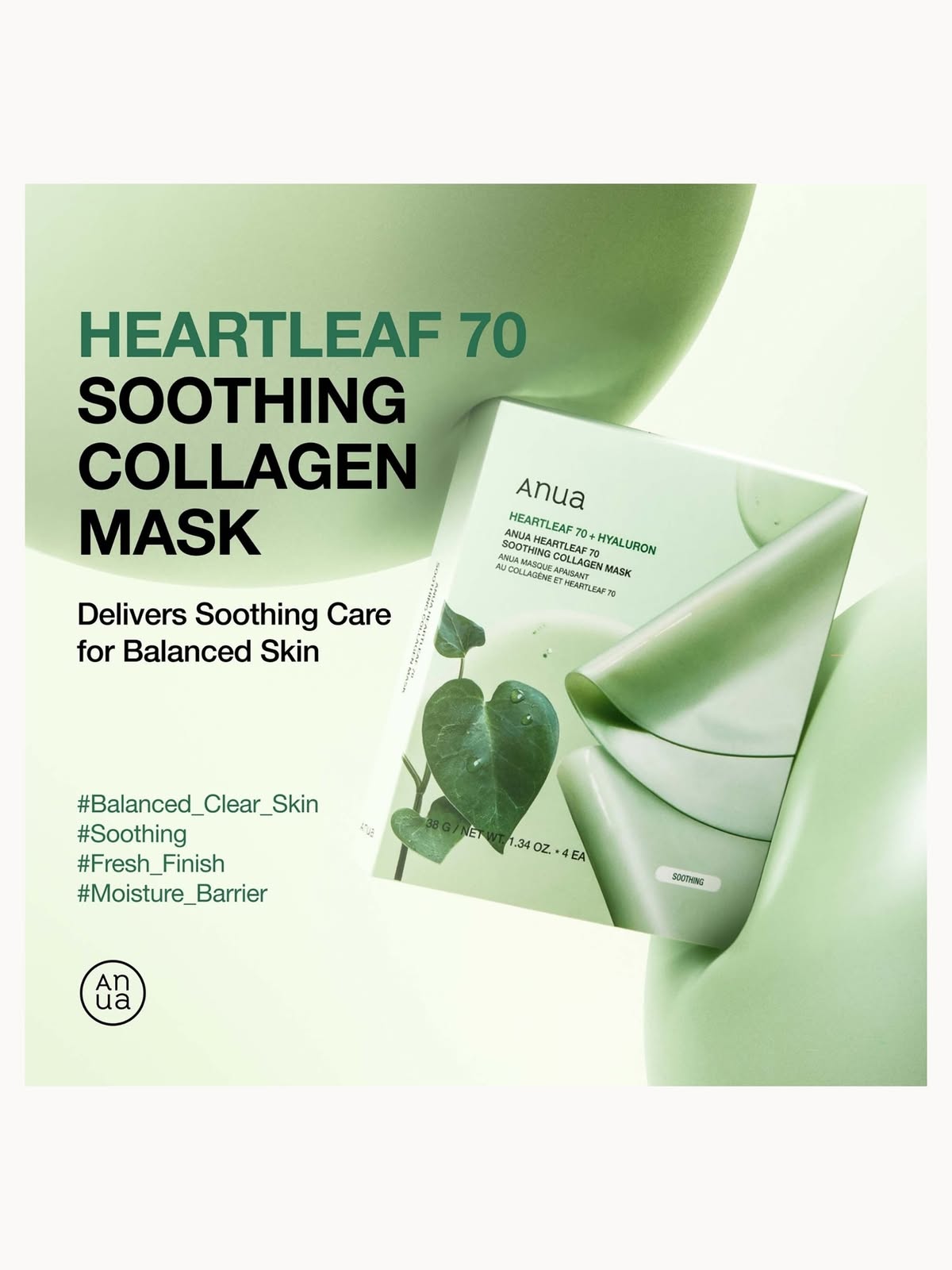
The heartleaf brands worth knowing in 2026
Who it's good for
Heartleaf is a near-perfect fit for the under-35, oily-acne-prone, redness-flushed consumer — the largest demographic entering K-beauty from Western markets. It is one of the few "natural" ingredients with mechanism evidence strong enough to make it a primary calming active rather than a marketing addition.
Skin types
Concerns it addresses
Age range: Highest leverage in the late teens through 30s when the combination of sebum control and acne support is most useful. Less essential past 40 unless you still have acne or rosacea.
Who should avoid
Heartleaf is well-tolerated; reaction rates are very low. The most common issue is users with very dry skin finding heartleaf toners drying when over-applied, which is a routine-balancing issue rather than an ingredient problem. Pregnancy and breastfeeding safety is considered fine at cosmetic concentrations.
- ·Known allergy to the Saururaceae plant family (Houttuynia is the most common cultivated member)
- ·Very dry skin that finds astringent calming toners drying — patch test before daily use
- ·Severe cystic or nodular acne that needs prescription intervention (heartleaf is an adjunct, not a treatment)
Layering guide
Heartleaf typically arrives in toner form, which means it sits early in the routine — right after cleansing, before serums and actives. A typical oily-acne-prone evening: cleanse → heartleaf toner → BHA serum (alternate nights) → niacinamide → light moisturiser For morning, heartleaf works under sunscreen and pairs well with niacinamide. Some heartleaf products are gels, creams, or pads instead of toners — the routine slot stays similar (always before heavier products) but the texture may suit dry-acne-prone skin better.
Centella
Layer freelySame anti-inflammatory family. Excellent stack for severely inflamed skin but redundant for routine use — pick one as hero.
Snail mucin
Layer freelyStrong pairing: heartleaf calms, snail repairs. Apply heartleaf toner first, snail essence after.
Niacinamide
Layer freelyExcellent combo for oily-acne skin. Heartleaf toner first, niacinamide serum after.
BHA / salicylic acid
Layer freelyApply BHA first (needs low pH to work), wait 10 minutes, then heartleaf to calm any sting. This is one of the best pairings for active acne.
Retinol
Layer freelyHeartleaf is gentle enough to layer with retinol. Retinol first to clean skin, wait 5 min, then heartleaf toner.
Vitamin C
Wait 10–20 minApply vitamin C first, wait 10–15 minutes, then heartleaf. Avoid layering vitamin C and heartleaf immediately to prevent any pH disruption.
Benzoyl peroxide
Layer freelyBP can dry; heartleaf afterwards soothes. No chemical incompatibility.
Tretinoin / prescription retinoids
Wait 10–20 minApply tretinoin first, wait 20+ minutes, then heartleaf as a buffering step before moisturiser.
K-beauty products with heartleaf
4 products available in the UK, sorted by rating.
Not sure if heartleaf is right for your skin?
Take our 2-minute Skin Match quiz. We'll factor in your skin type, concerns, current routine, and what you're already using — and recommend whether this ingredient earns a place in your shelf.
Start the quiz →Frequently asked
Heartleaf vs centella — which is better?
Different jobs. Centella is the calming/anti-inflammatory active that suits dry, sensitive, and rosacea-prone skin. Heartleaf adds sebum regulation and direct antibacterial activity, making it the better choice for oily and acne-prone skin. Both work via the NF-κB pathway, so layering them is fine but slightly redundant — pick one as your daily hero.
Does the Anua Heartleaf 77 toner actually work?
For its target audience — oily, acne-prone, redness-flushed skin — yes. Most users report visibly calmer skin within 1–2 weeks of consistent use. It is not a miracle product for cystic acne or severe rosacea; it is a daily calming and sebum-regulating toner that earns its viral reputation by being genuinely useful for the largest skin-type demographic. If your skin is very dry or you have no acne or redness concerns, the effect will be more subtle.
Can I use heartleaf for acne?
Yes, as an adjunct ingredient. Heartleaf has direct antibacterial activity against *C. acnes* (the acne bacterium) and reduces the inflammation around active spots, but the effect is modest compared to prescription treatments like adapalene or oral antibiotics. Use heartleaf alongside a primary acne treatment — it makes the rest of your routine more tolerable and accelerates recovery from individual spots.
How long does heartleaf take to work?
Redness and irritation reduction within 1–2 weeks. Sebum and oiliness changes within 4 weeks. Acne improvement (as an adjunct) within 8–12 weeks of consistent use alongside your primary acne treatment. If you see no change after 12 weeks, the concentration is probably too low.
Why does my heartleaf toner smell faintly fishy?
The Korean name eoseongcho literally means "fish-smell grass" — fresh heartleaf leaves have a distinctly fishy aroma from their volatile compounds. Cosmetic-grade extract usually has this removed via distillation, but a faint residual herbal smell is normal and indicates the extract has not been heavily refined or fragranced over. The Anua 77% toner has minimal residual smell; some other brands lean heavier on the natural aroma.
Is heartleaf safe during pregnancy?
Topical heartleaf at cosmetic concentrations is considered safe in pregnancy and breastfeeding. Avoid oral heartleaf supplements during pregnancy without medical advice — topical and oral use have different safety profiles. As always with any new product in pregnancy, patch test before introducing to face.
Can I use heartleaf every day?
Yes, twice daily if your skin tolerates it. The most common heartleaf product format (toner) is designed for everyday use. The only adjustment is to dial back if you notice the toner becoming drying on your skin — some heartleaf extracts have a mild astringent effect that can over-do it on dry-acne-prone skin.
Related ingredients
Sources
Last reviewed 2026-05-17. We update this page when new peer-reviewed research changes our recommendations.