Ingredient Guide
Madecassoside in Korean skincare
The single most clinically-studied molecule isolated from centella asiatica — the active that does most of the heavy lifting when "cica" formulas actually work, now bottled at standardised concentrations.
Also known as: Centella isolate · Pentacyclic triterpenoid · Centella madeca
30-second summary
- What it is
- A pentacyclic triterpenoid saponin isolated from Centella asiatica. The most studied of the four centella actives (asiaticoside, madecassoside, asiatic acid, madecassic acid) and the one most often listed at a stated percentage on Korean labels.
- What it does
- Suppresses NF-κB-driven inflammation, reduces redness within 24–72 hours of application, supports barrier repair, and at higher concentrations contributes to collagen synthesis through TGF-β/Smad signalling.
- Who it's for
- Sensitive, reactive, redness-prone or barrier-damaged skin. The best choice when you want centella's benefits at a more reliable, standardised dose than a generic "Centella asiatica extract" product can give.
- Avoid if
- Known allergy to the Apiaceae plant family (carrot, celery, parsley). Otherwise extremely well-tolerated — madecassoside has one of the cleanest cosmetic safety profiles in Korean dermatology research.
- Best concentration
- 0.1–0.5% on the INCI is meaningful; 1%+ is the clinical-feeling concentration. Products that show madecassoside as a percentage on the front of the bottle have done the formulation work to deliver real effect.
The science
What we actually know — and what we don't.
How madecassoside works on your skin
The clinical evidence
In Korean skincare specifically
Why this ingredient is a K-beauty signature, and how the major brands differ.
Why madecassoside is the K-beauty 2026 cica evolution
The madecassoside products worth knowing
Who it's good for
Madecassoside is the more focused, more reliable version of centella for users who want measurable anti-inflammatory action. The dose-response relationship is cleaner, and the product comparison is honest because brands name the percentage. For anyone whose skin reacts to general "cica" creams (or who finds them too vague), madecassoside is the natural step up.
Skin types
Concerns it addresses
Age range: Useful at any age. Particularly valuable for users in their 20s with reactive skin and users 35+ wanting calming-plus-collagen benefit in a single active.
Who should avoid
Madecassoside is exceptionally well-tolerated. The European Scientific Committee on Consumer Safety (SCCS) and Korean dermatology research consistently show very low reaction rates. Pregnancy and breastfeeding use is considered safe at cosmetic concentrations. The molecule's size and structure preclude meaningful systemic absorption from topical application.
- ·Known allergy to the Apiaceae plant family
- ·Active contact dermatitis flare without medical advice
- ·Very rare individual sensitivity — patch test before face application
Layering guide
Madecassoside sits in the ampoule, serum, or treatment step — after toner/essence, before moisturiser. Typical irritated-skin evening: cleanse → toner → madecassoside ampoule → moisturiser → facial oil (if very dry) For post-procedure recovery, madecassoside is often the *only* active applied for the first 7–14 days, supported by a gentle ceramide moisturiser. As the skin recovers, slowly add back other actives. Mornings, you can apply madecassoside under sunscreen — it pairs well with daytime SPF use and adds an extra layer of anti-inflammatory protection against UV-induced redness.
Centella (full extract)
Layer freelyRedundant — both deliver the same anti-inflammatory pathway. Pick one as hero rather than stacking.
Snail mucin
Layer freelyExcellent pairing. Madecassoside calms inflammation, snail supports barrier repair. Madecassoside first, snail after.
Niacinamide
Layer freelyStrong synergy. Madecassoside first, niacinamide layer on top.
Retinol / retinoids
Layer freelyMadecassoside is one of the best retinoid buffers. Retinol first to clean dry skin, wait 5 min, then madecassoside.
Vitamin C
Wait 10–20 minApply vitamin C first, wait 10–15 minutes, then madecassoside. Avoid simultaneous layering due to pH gap.
AHA / BHA
Wait 10–20 minApply acid first, wait 15–20 minutes, then madecassoside as calming buffer.
Azelaic acid
Layer freelyPre-formulated combinations exist (Dr. Ceuracle) for good reason. Madecassoside buffers azelaic acid's mild stinging without reducing efficacy.
Peptides
Layer freelyLayer freely. Different mechanisms; no incompatibility.
K-beauty products with madecassoside
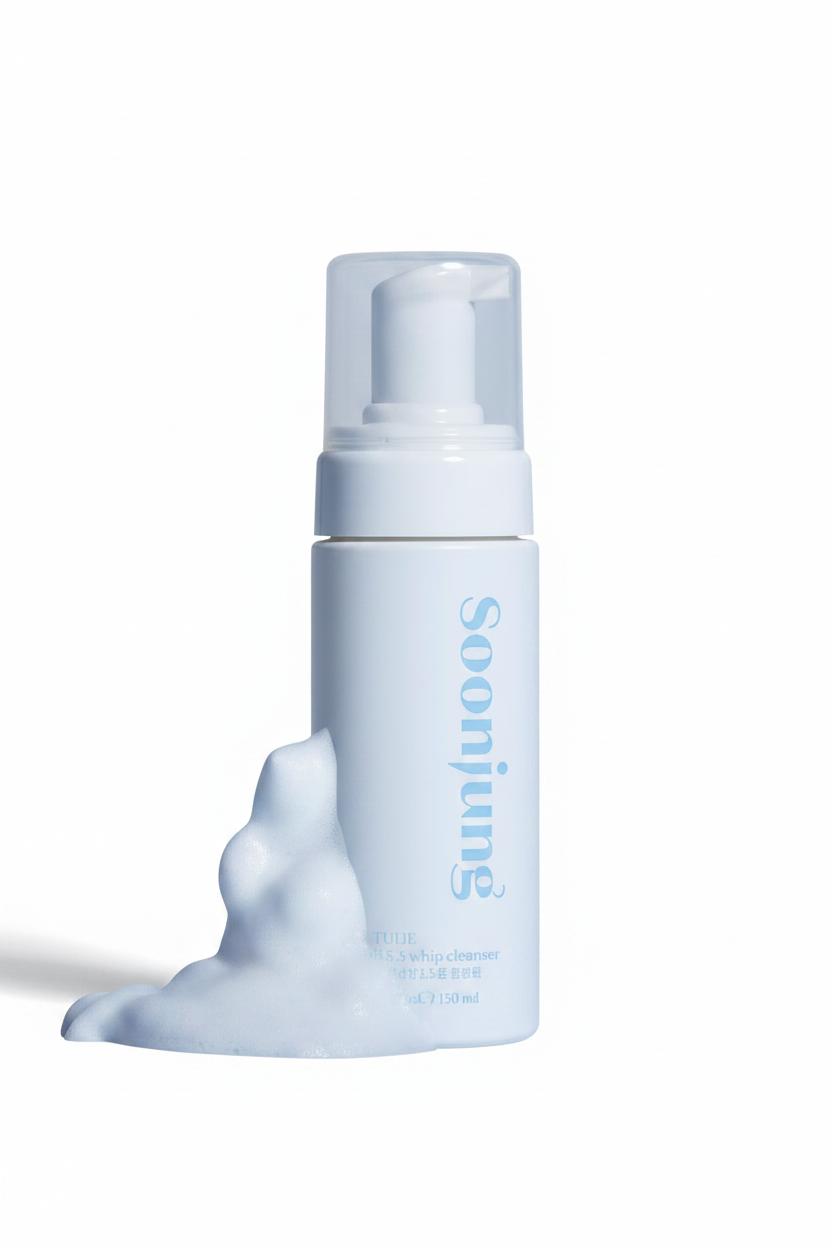
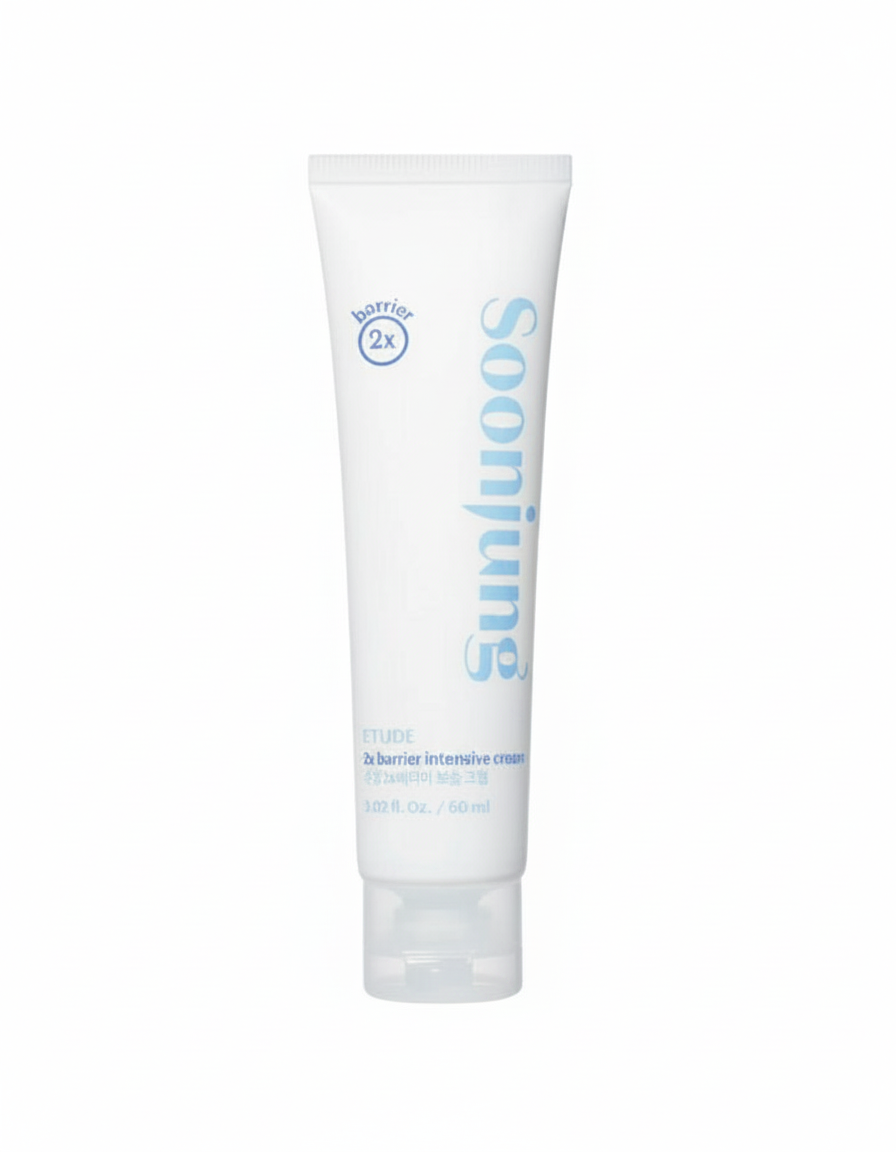
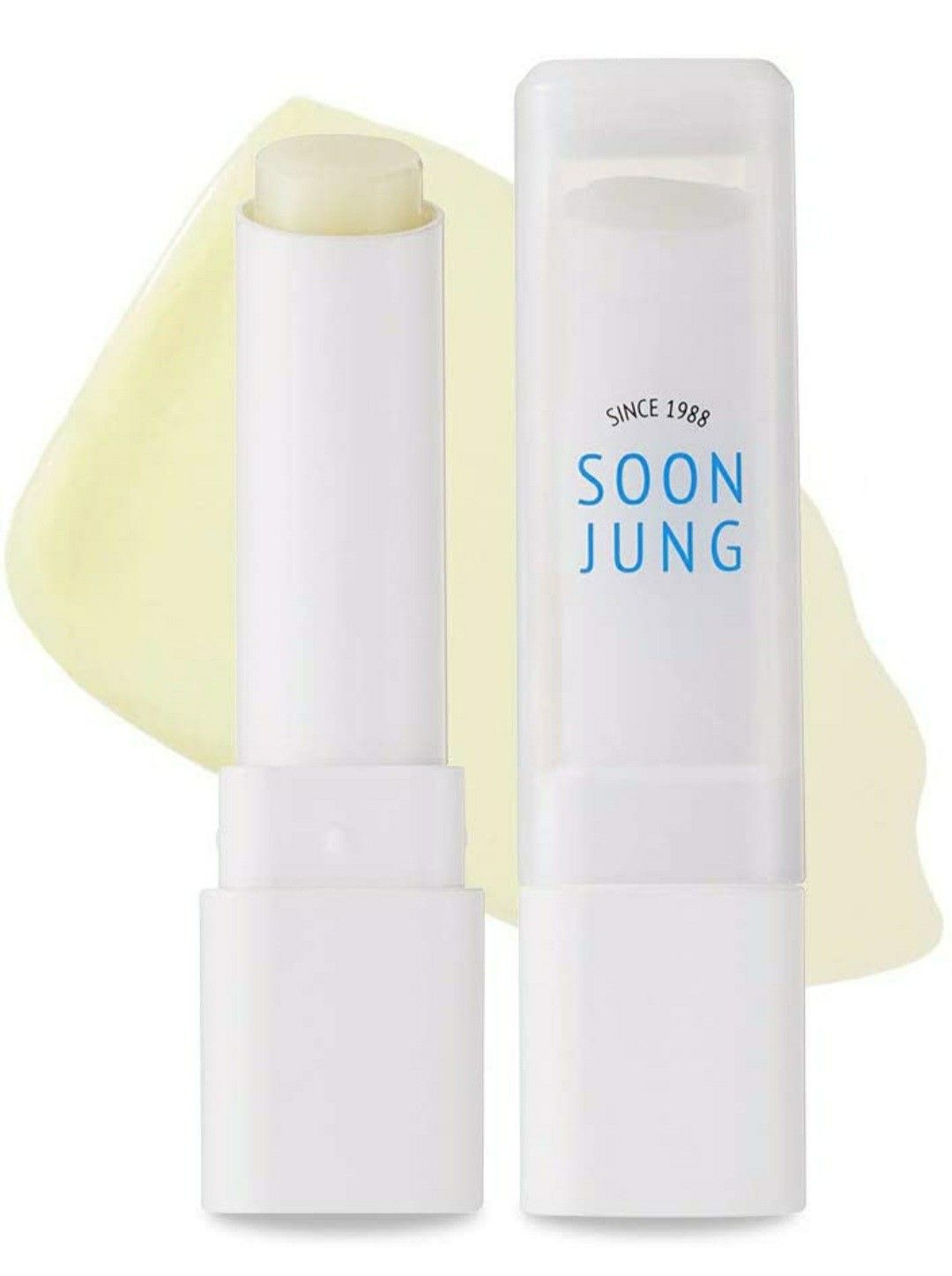
3 products available in the UK, sorted by rating.
Not sure if madecassoside is right for your skin?
Take our 2-minute Skin Match quiz. We'll factor in your skin type, concerns, current routine, and what you're already using — and recommend whether this ingredient earns a place in your shelf.
Start the quiz →Frequently asked
Madecassoside vs centella — what's actually different?
Madecassoside is one specific molecule isolated from centella; "centella extract" or "TECA" is a mixture of madecassoside plus three other triterpenoids and broader plant compounds. Madecassoside delivers more reproducible, dose-controllable anti-inflammatory action; full centella extract delivers a broader, gentler effect via the cocktail of components. For acute redness or post-procedure use, prefer madecassoside; for daily maintenance, either works.
How fast does madecassoside work?
Visible redness reduction within 24–72 hours of first application — the anti-inflammatory action is among the fastest of any cosmetic ingredient. Barrier repair over 2–4 weeks. Collagen-related fine-line improvement over 8–12 weeks of consistent use at 1%+ concentration.
Can I use madecassoside every day?
Yes, twice daily for most users. It is one of the few actives with no real upper limit on frequency — the anti-inflammatory mechanism does not deplete or sensitise. The only adjustment is if your routine already includes another strong calming active (centella, heartleaf, allantoin), in which case madecassoside can be alternated with them rather than stacked daily.
Is madecassoside safe during pregnancy?
Topical madecassoside at cosmetic concentrations is considered safe in pregnancy and breastfeeding. The molecule is too large for meaningful systemic absorption. As always with new products in pregnancy, patch test before introducing to face, and avoid combination products that include retinol or other pregnancy-cautious actives.
Why pay more for isolated madecassoside vs a general cica cream?
For most daily use, you don't need to — a well-formulated cica cream with standardised TECA gives similar results. The premium pays off when (1) you have a specific reactive condition (rosacea, eczema-prone) and need predictable dosing, (2) you are managing post-procedure recovery, or (3) you have tried general cica creams and felt the effects were inconsistent. For those cases, the cleaner mechanism story of isolated madecassoside justifies the cost.
Can madecassoside replace prescription rosacea treatments?
No. Madecassoside is a strong cosmetic-grade adjunct for managing rosacea symptoms (redness, sensitivity) but is not a replacement for prescription treatments like azelaic acid (at therapeutic concentration), ivermectin, or oral antibiotics. The Dr. Ceuracle Azelaic 10 & Madeca Ampoule is interesting precisely because it combines a near-therapeutic-level azelaic acid with madecassoside; for moderate-to-severe rosacea, prescription care plus madecassoside support gives the best outcomes.
What is "TECA" and how does it relate to madecassoside?
TECA (Titrated Extract of Centella Asiatica) is a standardised mixture of the four centella triterpenoids: roughly 40% asiaticoside, 30% madecassoside, 30% combined aglycones (asiatic and madecassic acid). Products with "TECA" deliver a known but mixed dose; products with isolated madecassoside deliver a known single-molecule dose. Both are better than a vague "Centella asiatica extract" listing.
Sources
Last reviewed 2026-05-17. We update this page when new peer-reviewed research changes our recommendations.
- [1]Actions and Therapeutic Potential of Madecassoside (MDPI Applied Sciences 2021)review article
- [2]Therapeutic properties of asiaticoside and madecassoside (PMC 2023)peer reviewed
- [3]Dr. Ceuracle Azelaic 10 & Madeca Ampoule ingredients (Incidecoder)editorial
- [4]Centella asiatica in skin health and cosmeceuticals (Pharmacia 2025)peer reviewed